


Calf compression sleeves have become one of the most widely worn pieces of compression wear in everyday life. What once appeared only in sports settings is now used by people who walk long distances, stand for extended hours, travel frequently, or simply want added support during daily movement. Understanding when to wear calf compression sleeves and why they are used can help you make smarter choices about comfort, fit, and long term wear.
This guide explains calf compression sleeves in a clear and practical way. You will learn what a calf compression sleeve is, how compression works, and how calf compression support fits into daily routines. We will also break down common use cases such as running, travel, standing all day, and daily wear so you can decide when calf compression sleeves make sense for you.
Copper Comfort You Can Trust — 60 Days Risk Free Guarantee
- Save $10.00
- Save $7.00

- Save $10.00
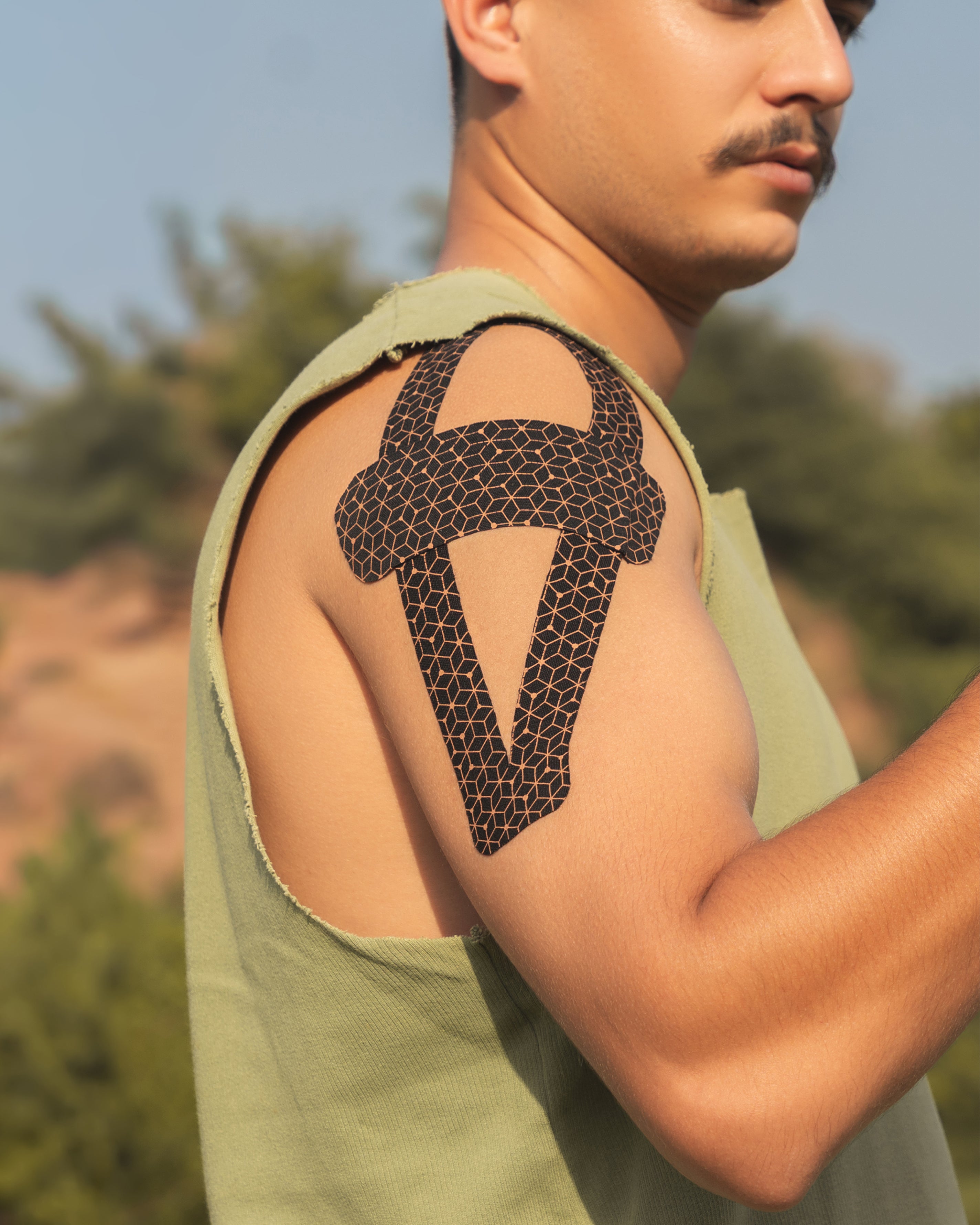

What Are Calf Compression Sleeves
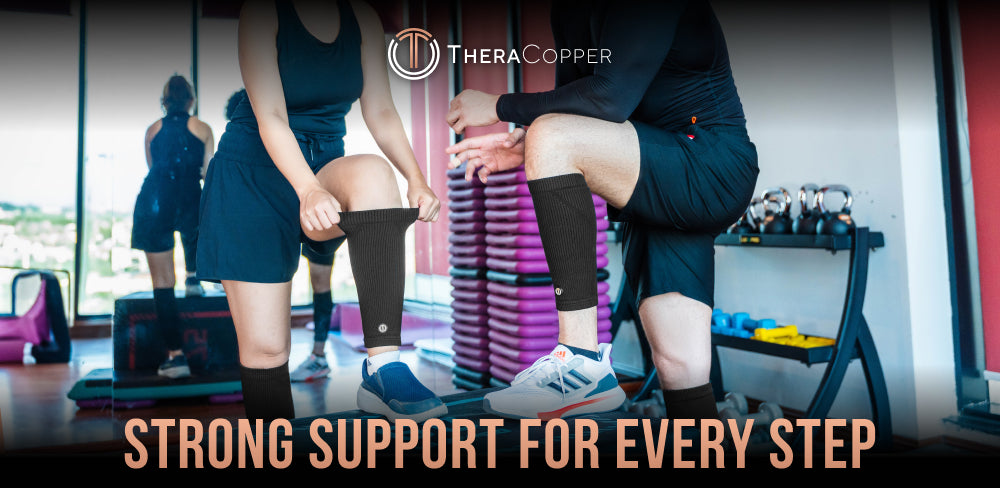
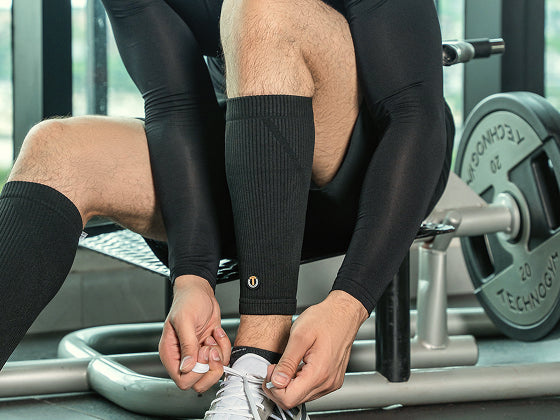
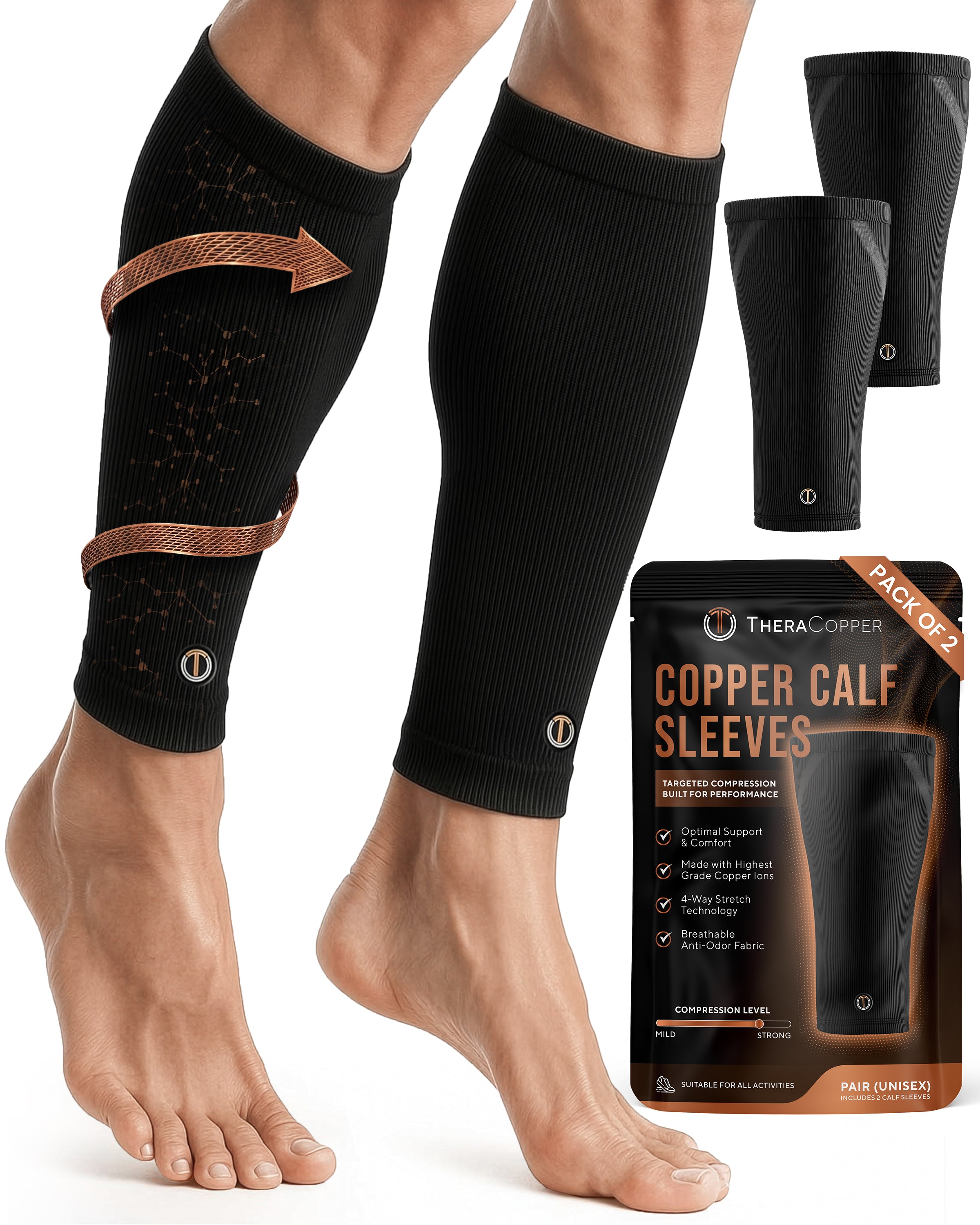
Calf compression sleeves are form fitting fabric sleeves designed to wrap around the lower leg between the ankle and the knee. Unlike socks, they do not cover the foot. This design allows targeted compression directly on the calf muscles while leaving the foot unrestricted.
Compression sleeves for calves are made from elastic materials that apply consistent pressure across the calf area. This pressure creates a supportive feel that many people find comfortable during movement or extended periods of standing or sitting.
A calf compression sleeve differs from loose legwear because it is engineered to maintain contact with the skin. This contact helps the sleeve stay in place and deliver even compression across the muscle.

How Compression Works on the Calf
Compression wear for calves works by applying gentle pressure to the soft tissues of the lower leg. The calf muscles are active during walking, running, standing, and balance. When compression is applied, the muscle feels stabilized and supported.
Many people describe calf compression support as a held or secure feeling rather than tightness. The goal is not restriction but structure. Compression wear is designed to move with the body rather than against it.
Because the calf plays a role in circulation and mobility, compression wear for calves has become common in both active and everyday environments.
Calf Compression Benefits Explained
Calf compression benefits are largely related to comfort, support, and consistency during movement. People wear calf compression sleeves for different reasons, but the most commonly reported benefits include improved comfort during long periods of activity, reduced fatigue sensation, and a more stable feel in the lower leg.
Calf compression support can also help reduce the feeling of heaviness in the legs after long days on your feet. For people who spend hours walking or standing, compression wear for calves can feel grounding and supportive.
Another benefit of calf compression wear is consistency. Once a sleeve is fitted correctly, it provides the same level of support throughout the day without needing adjustment.
When to Wear Calf Compression Sleeves
Knowing when to wear calf compression sleeves depends on your daily routine, activity level, and personal comfort preferences.
Calf Compression Sleeves for Daily Wear
Calf sleeves for daily wear are increasingly common among people who want consistent leg support throughout the day. Daily wear does not mean intense activity. It can include walking, working, commuting, and light movement.
Many people choose a calf compression sleeve for daily wear because it fits easily under clothing and does not interfere with shoes. Unlike socks, calf sleeves allow flexibility with footwear while still offering compression support.
For daily use, comfort and breathability are key. Compression wear for calves should feel secure without digging into the skin or slipping during movement.
Calf Compression Sleeves for Standing All Day
One of the most common reasons people wear calf compression sleeves is standing for long periods. Jobs that require standing all day can put continuous strain on the lower legs.
Calf compression sleeves for standing all day provide a consistent supportive feel that many people find helpful during extended shifts. The gentle pressure helps the calf muscles feel more engaged and less fatigued over time.
Compression calf sleeves are often worn by professionals in retail, healthcare, manufacturing, and service industries where long hours on hard floors are common.
Calf Compression Sleeves for Running
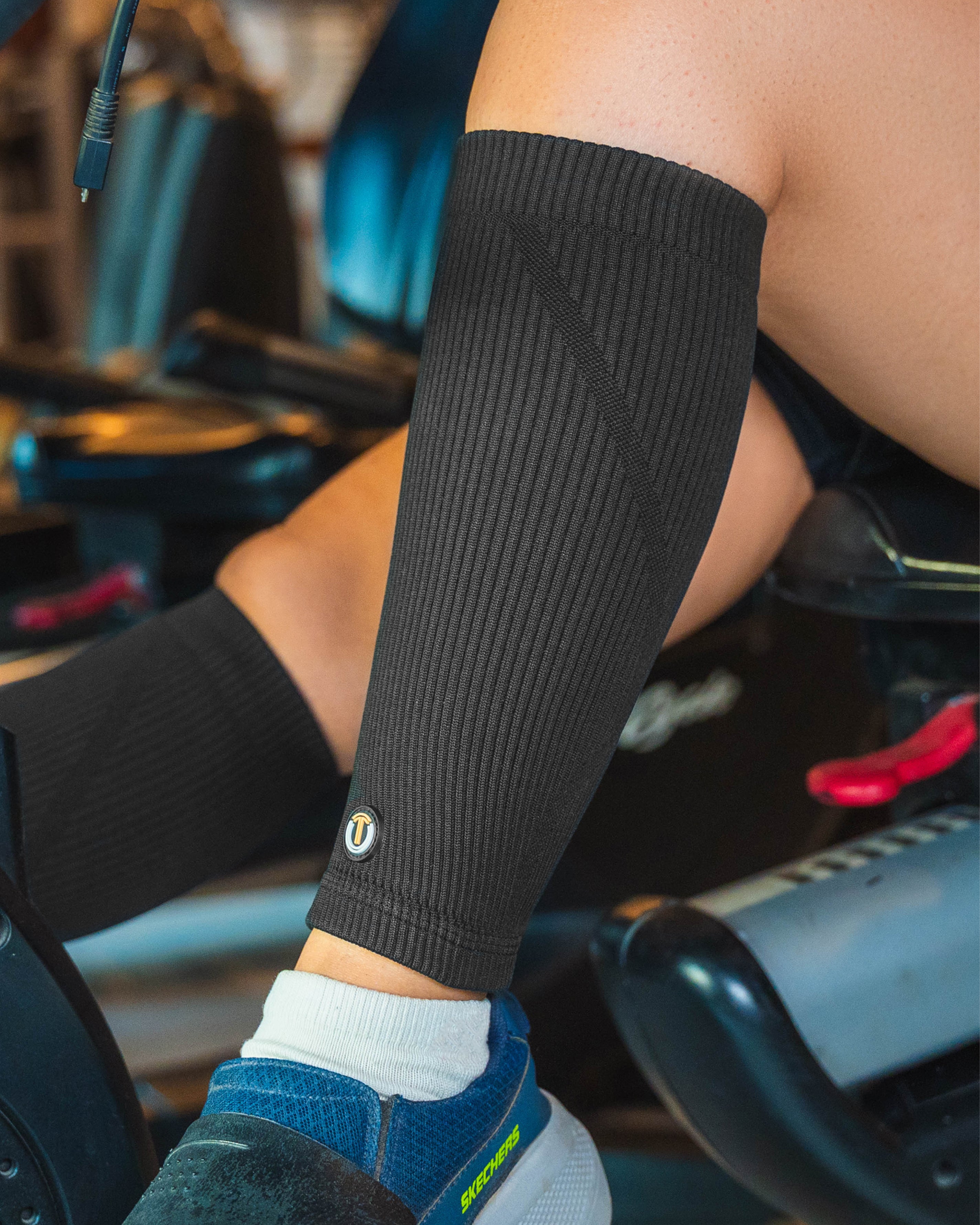
Calf compression sleeves for running are popular among runners of all levels. Running places repeated stress on the calf muscles with each stride. Compression sleeves can help provide a stable feel during movement.
Many runners use a calf compression sleeve during training runs, long distance sessions, or recovery days. The sleeve stays in place without restricting ankle movement, which makes it practical for running compared to full socks.
Calf compression support during running is often described as reducing muscle vibration and helping maintain a consistent feel across the calf during repetitive motion.
 Calf Compression Sleeves for Travel
Calf compression sleeves for travel are commonly used during long flights, car rides, or train journeys. Sitting for extended periods can cause stiffness and discomfort in the lower legs.
Compression sleeves for calves are easy to pack and simple to put on before travel. Because they do not cover the foot, they are often more comfortable during long seated periods, especially when removing shoes.
Travelers often choose calf compression wear to maintain comfort and reduce the feeling of heavy legs during and after long journeys.
Calf Compression Wear for Active Lifestyles
People with active lifestyles often rotate between different types of compression wear for calves depending on the activity. A calf compression sleeve can be used for walking, hiking, light training, or daily errands.
Because calf compression wear is lightweight and flexible, it fits naturally into routines that involve frequent movement changes. It can be worn during activity and kept on afterward without needing immediate removal.
Compression Sleeves for Calves vs Other Compression Options
Compression sleeves for calves differ from compression socks and wraps in a few important ways. Socks include the foot, which can be useful for some situations but restrictive for others. Wraps require adjustment and may shift during wear.
A calf support sleeve provides targeted compression where it is needed while allowing footwear flexibility. This makes calf compression sleeves a popular choice for people who want support without bulk.
Compression wear for calves is also easier to size accurately since it focuses on calf circumference rather than foot length.
Choosing the Right Calf Compression Sleeve
Selecting the right calf compression sleeve starts with proper sizing. A sleeve that is too tight can feel uncomfortable, while one that is too loose may not stay in place.
Measure the widest part of your calf and refer to sizing guidelines. A well fitted calf compression sleeve should feel snug but not restrictive.
Material also matters. Breathable fabrics help regulate temperature and moisture, especially for calf sleeves for daily wear or running. Stretch and recovery of the fabric ensures the sleeve maintains its shape over time.
How Long Should You Wear Calf Compression Sleeves
There is no single rule for how long to wear calf compression sleeves. Many people wear them for several hours at a time during work, activity, or travel.
For calf compression sleeves for standing all day, it is common to wear them throughout a shift and remove them afterward. For running, sleeves are typically worn during the activity and sometimes during recovery.
Listening to your body is important. Compression wear for calves should feel supportive, not uncomfortable.
Can You Wear Calf Compression Sleeves Every Day
Many people wear calf compression sleeves every day as part of their routine. Daily wear depends on comfort, fit, and fabric quality.
Calf sleeves for daily wear should be breathable and easy to clean. Washing them regularly helps maintain elasticity and hygiene.
As long as the sleeve fits properly and feels comfortable, daily use is generally well tolerated.
Common Myths About Calf Compression Sleeves
One common myth is that compression wear is only for athletes. In reality, calf compression sleeves are used by people of all activity levels.
Another myth is that compression sleeves restrict movement. Properly designed compression sleeves for calves are flexible and move with the body.
Some believe compression wear must be worn tightly to be effective. In truth, consistent moderate compression is the goal, not excessive pressure.
Calf Support Sleeve for Comfort and Stability
A calf support sleeve provides a sense of structure to the lower leg. This can be especially useful during repetitive movement or long hours on your feet.
Unlike rigid supports, compression calf sleeves adapt to movement and posture changes throughout the day. This adaptability is one reason calf compression wear has become so popular.

Compression Wear for Calves in Modern Wellness Routines
Compression wear for calves has become part of modern wellness routines focused on comfort, movement, and daily support. People are increasingly proactive about how their bodies feel during everyday activities.
Calf compression sleeves are easy to integrate into these routines because they are simple to wear and remove. They require no special equipment or adjustments once fitted.
Final Thoughts on Calf Compression Sleeves
Calf compression sleeves are versatile, practical, and widely used for good reason. Whether you are standing all day, running, traveling, or simply moving through daily life, calf compression wear offers a supportive option that fits seamlessly into modern routines.
Understanding when to wear calf compression sleeves and why they are used allows you to make informed choices based on comfort and lifestyle needs. From calf compression sleeves for running to calf compression sleeves for travel and calf sleeves for daily wear, the right sleeve can provide consistent calf compression support without interfering with movement.