



Lower back pain is one of the most common physical complaints in modern life. It affects people across age groups, professions, and activity levels from office workers sitting for long hours to athletes placing repeated stress on their bodies. For many, discomfort in the lower back becomes a daily interruption that influences posture, sleep, work performance, and overall quality of life.
Understanding why lower back pain occurs is the first step toward managing it responsibly. While causes vary, many forms of discomfort are linked to habits, movement patterns, or structural stress that build up over time. This is also where supportive solutions such as a lower back brace or back support brace often become part of a broader approach to everyday support.
Below are eight common reasons you may be experiencing lower back pain, followed by practical insights on how structured support, including a copper back brace or copper compression back brace, can fit into a daily routine.
Copper Comfort You Can Trust — 60 Days Risk Free Guarantee
- Save $10.00
- Save $10.00
- Save $10.00
- Save $10.00
1. Poor Posture
Poor posture is one of the most widespread contributors to lower back pain today. Sitting with rounded shoulders, leaning forward while using screens, or standing with uneven weight distribution places unnecessary stress on the lower spine. Over time, these imbalances can lead to muscle fatigue, stiffness, and discomfort.
When posture is consistently compromised, the muscles of the lower back must work harder to stabilize the spine. This overcompensation often leads to tightness and strain. Many people are unaware of how often they slouch or tilt their pelvis forward during daily activities.
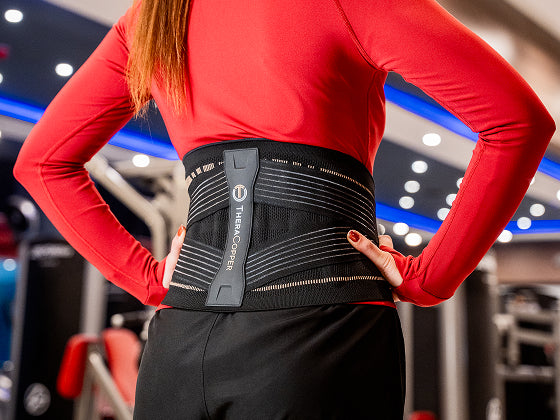
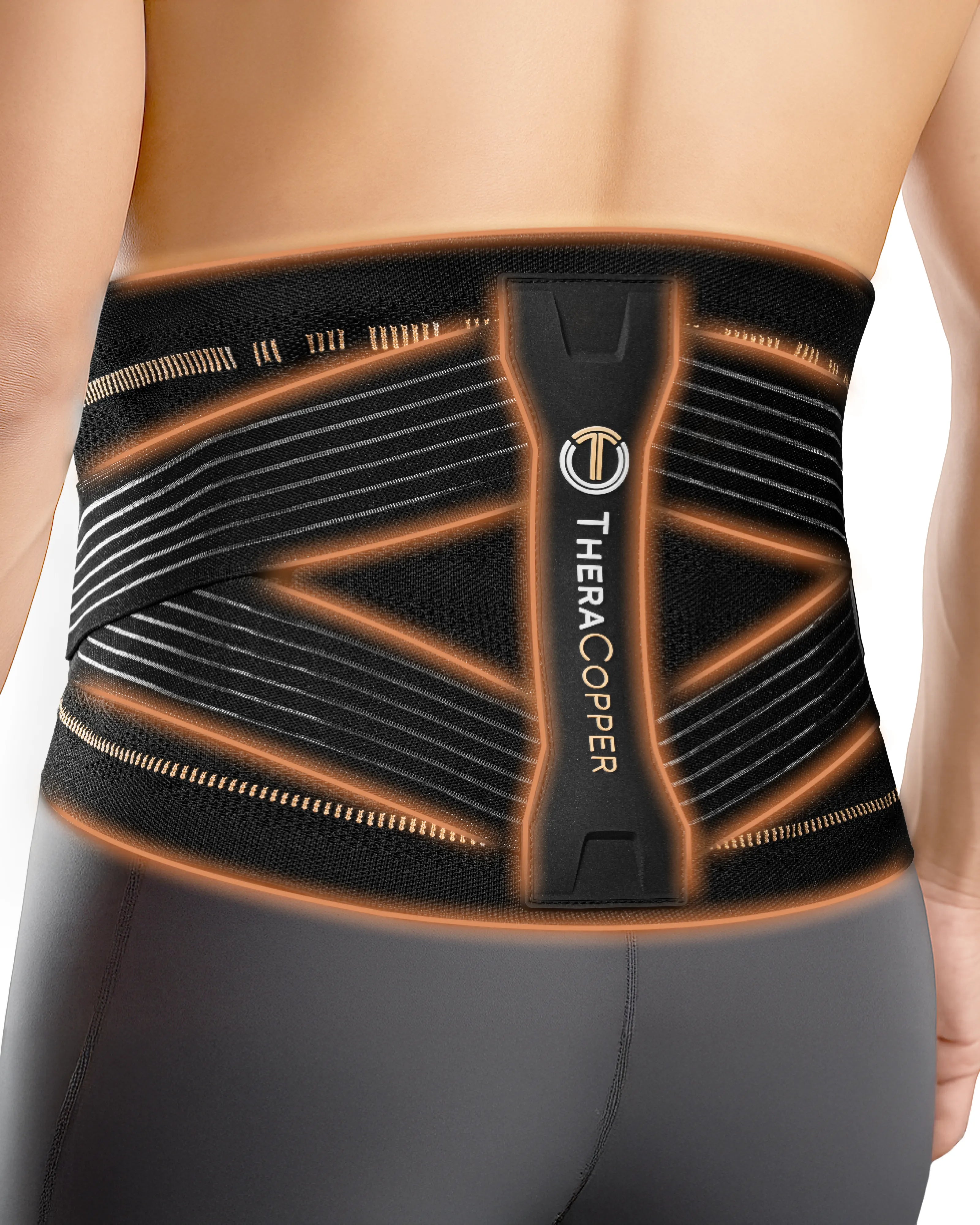
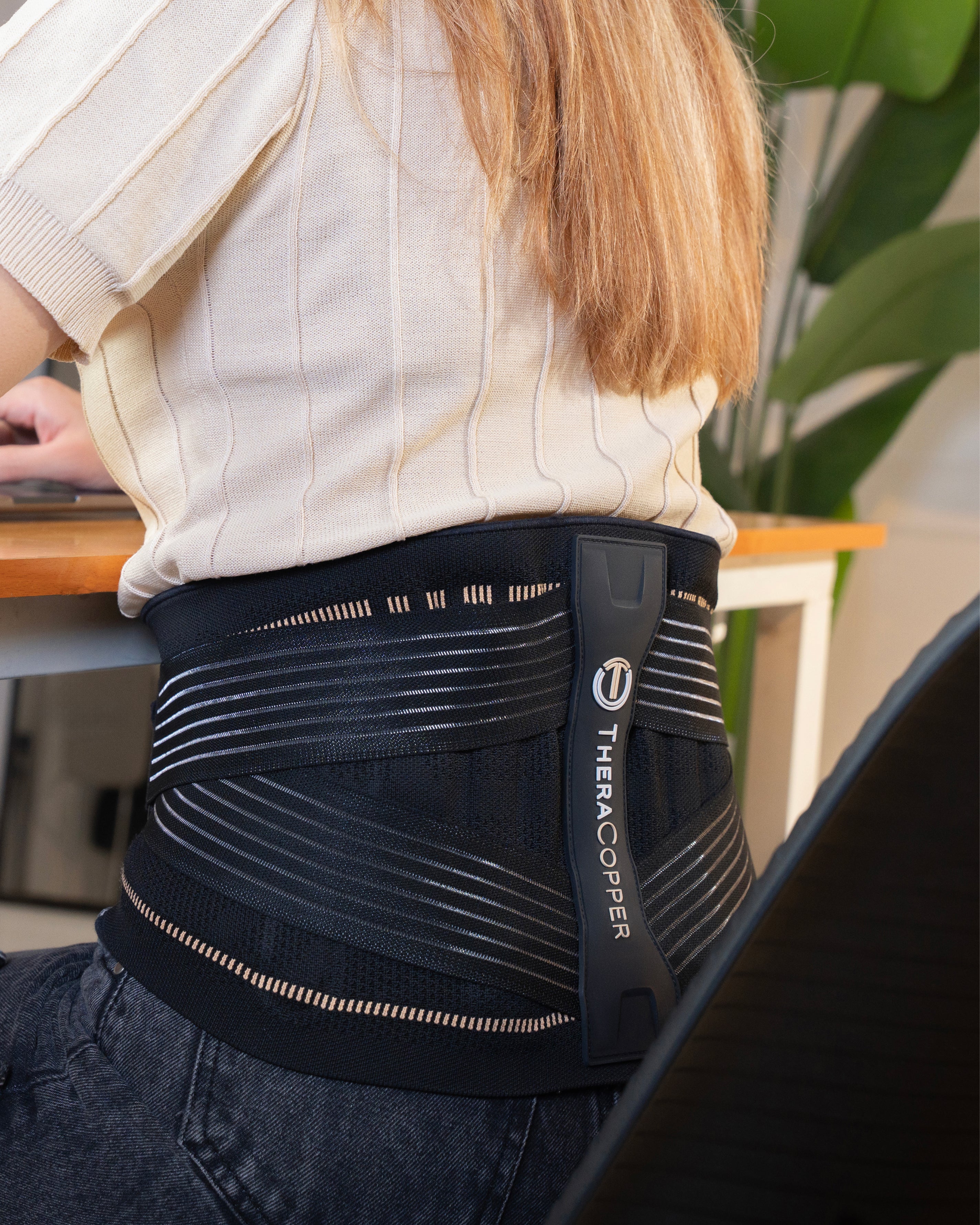
A lower back support brace can help reinforce better posture by providing gentle structure around the lumbar region. A well-designed back support belt encourages awareness of spinal alignment without restricting natural movement. For those spending long hours seated or standing, structured support can serve as a reminder to maintain healthier posture habits throughout the day.

2. Strains and Sprains
Muscle strains and ligament sprains are common causes of sudden or lingering lower back pain. These injuries often occur due to improper lifting techniques, sudden movements, or overexertion during physical activity. Even everyday actions like bending awkwardly or twisting while carrying weight can place excessive stress on the lower back.
Once strained, muscles may become tight and sensitive, limiting mobility and making routine tasks uncomfortable. Repeated minor strains can compound over time, especially when the lower back is not given adequate support during recovery.
Using a compression back brace during periods of activity can help provide stability to the affected area. A copper compression brace offers consistent pressure that helps the lower back feel more supported during movement. Many people choose a back brace during workdays that involve lifting, prolonged standing, or repetitive bending.
3. Arthritis
Arthritis is a long term condition that can affect joints throughout the body, including those in the spine. When arthritis impacts the lower back, it often leads to stiffness, reduced flexibility, and discomfort that worsens with prolonged activity or inactivity.
Changes in joint structure may limit range of motion and make it harder for the spine to move fluidly. This stiffness can contribute to muscle tension as surrounding muscles attempt to compensate for reduced joint mobility.
A copper back support solution can help provide steady reinforcement around the lumbar region during daily activities. Many individuals find that wearing a copper compression back brace during extended periods of movement or standing helps them feel more stable and comfortable. Structured support allows for movement while offering an added layer of reassurance.
4. Scoliosis
Scoliosis is a condition characterized by an abnormal curvature of the spine. While it often develops during adolescence, many adults live with scoliosis-related discomfort without realizing the cause. The uneven spinal alignment can place disproportionate stress on muscles and joints, leading to chronic lower back pain.
In daily life, scoliosis may cause fatigue or discomfort on one side of the lower back more than the other. This imbalance can influence posture, walking patterns, and even how weight is distributed when standing or sitting.
For individuals managing scoliosis, a lower back support solution may help provide a sense of balance and structure. A back support brace designed for everyday wear can offer gentle reinforcement that supports posture awareness without forcing rigid alignment. Supportive gear is often used as part of a broader routine that includes movement and posture-conscious habits.

5. Disc Issues
The spine contains discs that act as cushions between vertebrae. When these discs become compromised due to wear, injury, or age-related changes, lower back pain can occur. Disc-related discomfort is often described as deep, persistent, or aggravated by certain movements.
Prolonged sitting, poor posture, or repetitive stress can increase pressure on spinal discs. Over time, this pressure may contribute to stiffness and discomfort that limits flexibility.
A lower back brace can help reduce unnecessary movement that places strain on the lower spine during daily tasks. A copper compression back brace provides consistent support that helps the lower back feel more controlled during activity. Many people incorporate a back support brace into their routine during work hours or travel to maintain a more stable posture.
6. Various Diseases and Conditions
Lower back pain is sometimes associated with broader health conditions that affect muscles, nerves, or joints. Certain inflammatory conditions, connective tissue disorders, or neurological factors may present symptoms in the lower back region.
While it is important to address underlying conditions with appropriate care, managing daily comfort often becomes a priority. Individuals dealing with ongoing discomfort may seek solutions that allow them to stay active and engaged in everyday life.
A back support brace can serve as a practical option for those looking to add structure and stability to their daily routine. Wearing a copper fit back brace during activities that place stress on the lower back may help create a more supported experience throughout the day.
7. Positioning Yourself Incorrectly in Your Sleep
Sleep posture plays a significant role in spinal health. Sleeping on a mattress that lacks support, using improper pillows, or adopting awkward sleeping positions can all contribute to lower back discomfort.
Many people unknowingly sleep in positions that arch or twist the lower spine, leading to stiffness upon waking. Over time, poor sleep positioning can compound existing posture-related issues.
In addition to adjusting sleep habits, some individuals find benefit in wearing a lower back support brace during evening activities leading up to bedtime. Supporting the lower back during long periods of sitting or lounging can help reduce strain before sleep. A copper back brace designed for comfort may be worn during relaxation periods without feeling restrictive.
8. Obesity and Diabetes
Body weight and metabolic health can influence how stress is distributed across the spine. Excess weight may place additional load on the lower back, increasing strain on muscles and joints. Similarly, conditions such as diabetes can influence circulation and tissue health, potentially affecting comfort and mobility.
Maintaining an active lifestyle and supporting the lower back during movement can be especially important in these cases. Structured support helps promote better posture and stability during daily tasks.
A compression back brace or back support belt can provide reinforcement during walking, standing, or light activity. Many individuals choose a copper compression brace for its combination of support and flexibility, allowing movement without restriction.
Lower Back Pain Support That Fits Your Daily Life
Not all lower back pain can be avoided, but many contributing factors are within your control. Addressing posture habits, movement patterns, and daily support choices can make a meaningful difference over time.
TheraCopper focuses on thoughtfully designed solutions that fit into real life. Whether you are looking for a lower back brace, a copper back brace, or a lower back support brace, the goal is simple: provide consistent, comfortable support that works with your routine.

A copper compression back brace or copper fit back brace offers structured support while remaining flexible enough for everyday wear. Combined with mindful movement and posture awareness, supportive gear becomes part of a balanced approach to daily comfort.
Lower back pain does not have to define your day. Understanding the causes is the first step. Choosing the right back brace, back support brace, or copper back support solution is how many people begin taking control of their routine one supported movement at a time.