


Running is simple on the surface lace up and go but becoming a better runner is about details. Training plans, recovery habits, consistency, and smart gear choices all shape how you perform over time. One category of gear that has steadily become part of serious running routines is compression. When used correctly, compression is not about shortcuts or gimmicks. It is about support, structure, and repeatable performance.
Copper compression has earned attention among runners because it blends modern compression design with durable, copper-infused materials that fit naturally into training and daily movement. From warm-up miles to long runs and recovery days, understanding how to use compression effectively can help runners train with more confidence and consistency.
This guide breaks down how to use compression to be a better runner, where copper compression fits in, and how to integrate compression gear into your routine without overthinking it.
Copper Comfort You Can Trust — 60 Days Risk Free Guarantee
- Save $10.00
- Save $10.00
- Save $7.00


What Compression Really Does for Runners
Compression gear works by applying consistent, graduated pressure to targeted areas of the body. This pressure creates a supported, stable feel around muscles and joints during movement. For runners, this sensation often translates to better control, reduced distraction, and a greater sense of readiness especially during longer or more demanding sessions.
Compression gear for runners is designed to move with the body, not restrict it. When compression is well-fitted and thoughtfully designed, it becomes something you notice less as the run progresses. That “forget it’s there” feeling is often a sign the gear is doing its job.
Copper compression adds another layer by integrating copper infused compression fibers directly into the fabric. Rather than being a surface treatment, copper becomes part of the garment itself, contributing to durability and long-term wear comfort.

Why Compression Matters as Training Volume Increases
As mileage increases, so does cumulative stress. Even runners with strong form and smart programming experience fatigue as the weeks add up. Compression becomes more relevant at this stage because it supports consistency.
Copper compression for runners is commonly used when:
-
Weekly mileage increases
-
Long runs become longer
-
Speed sessions add intensity
-
Recovery windows shorten
The goal is not to fix running, but to support the body so training can continue without unnecessary interruption. Compression sleeves for running are especially popular during this phase because they offer targeted support without adding bulk.
Copper Compression Sleeves: Where Most Runners Start
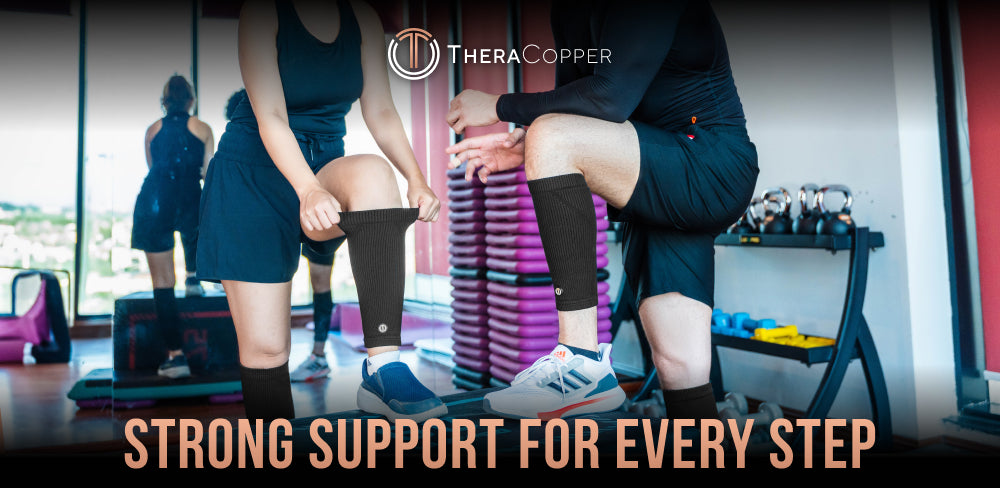
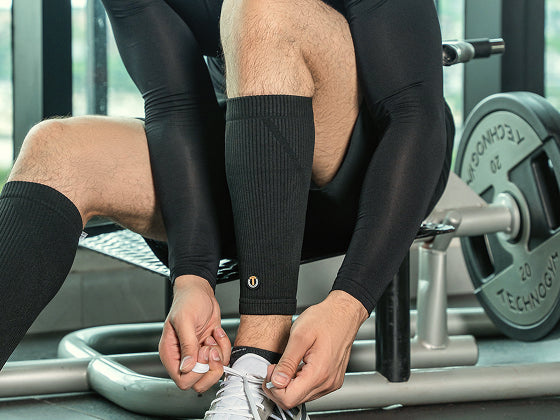
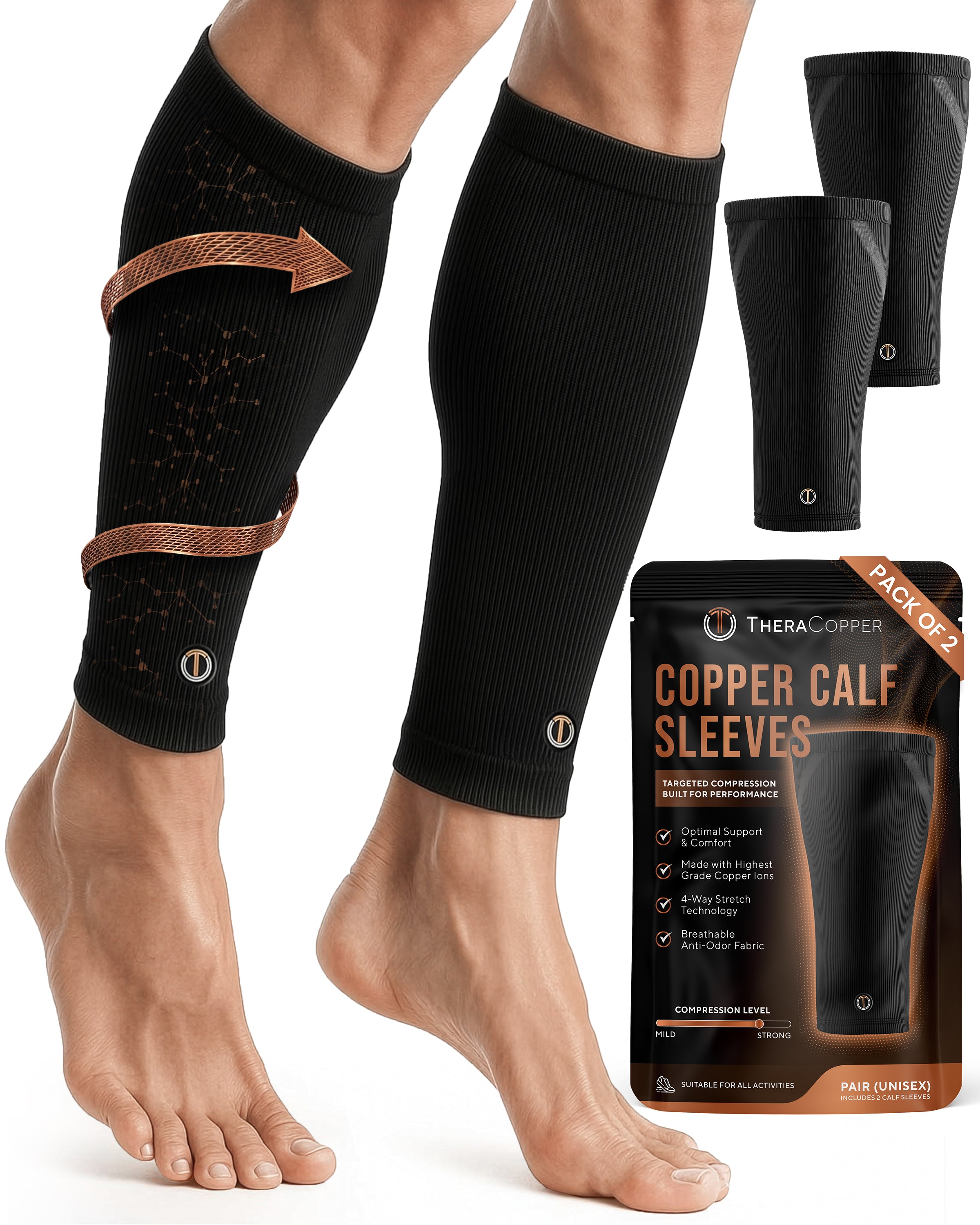
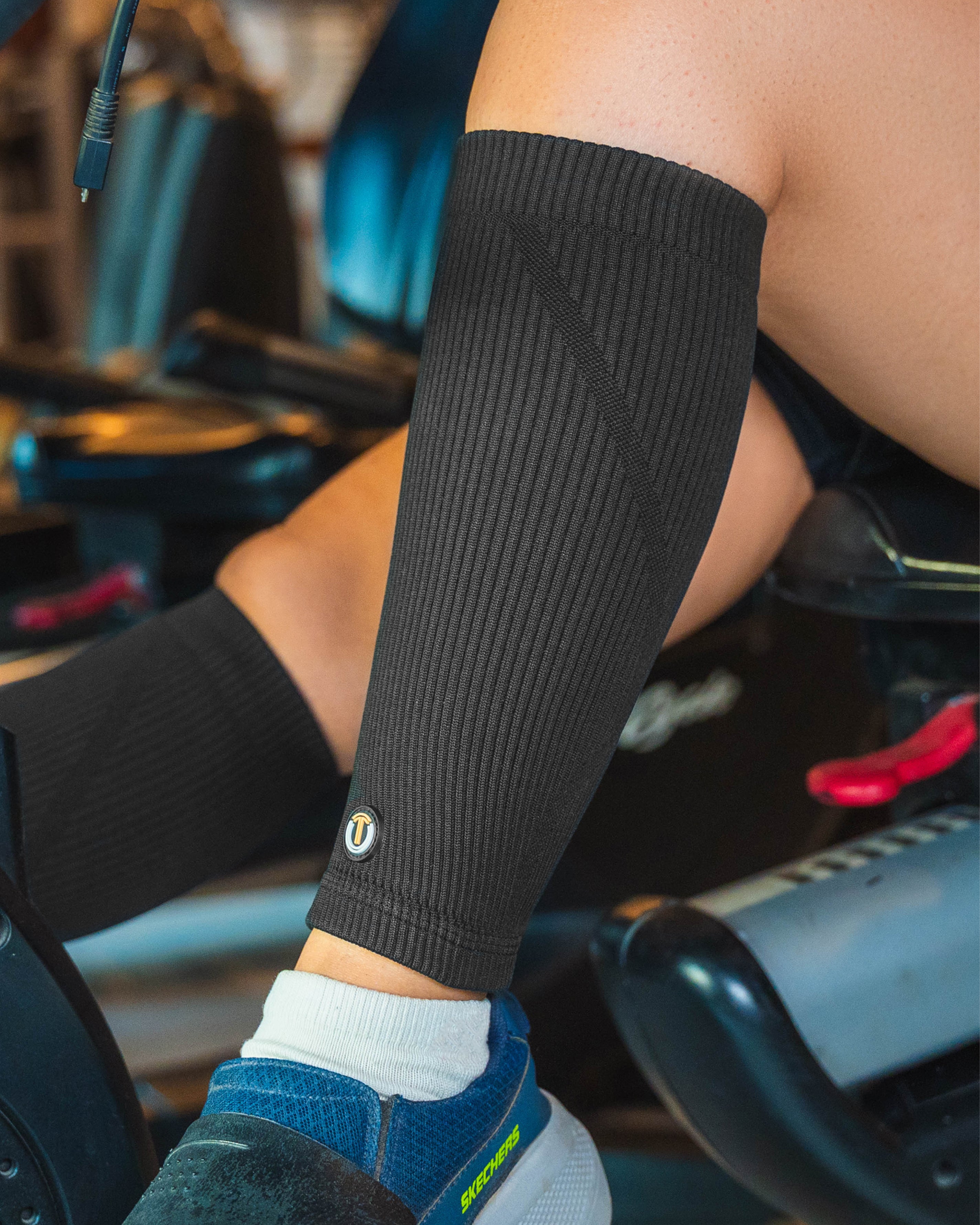
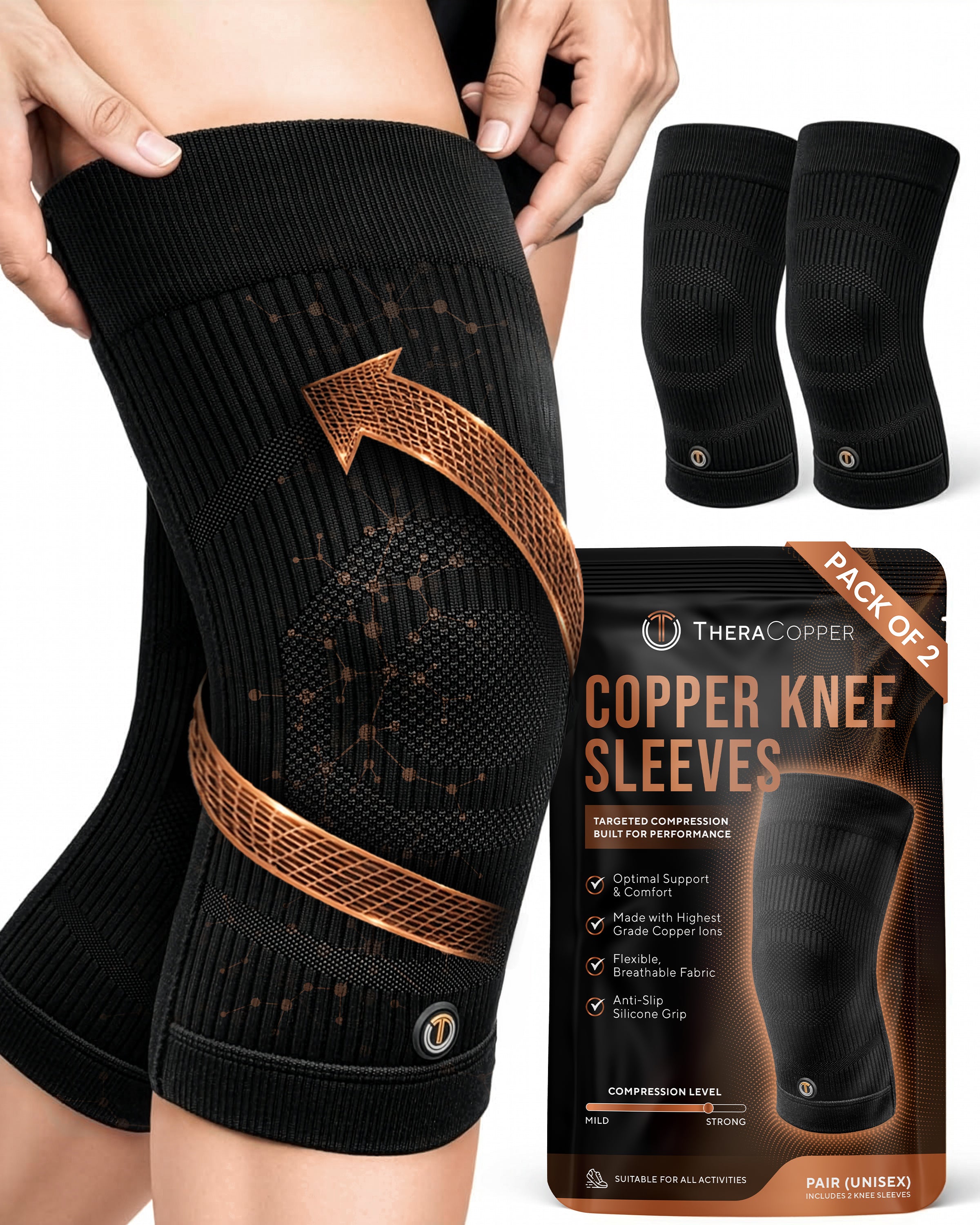
Copper compression sleeves are often the first compression product runners try. Calf sleeves, in particular, are widely used because the calves absorb significant impact during running.
Compression sleeves for running fit snugly around the lower leg and stay in place throughout movement. Runners often wear them during:
-
Long runs
-
Tempo runs
-
Race simulations
-
Back-to-back training days
Copper compression support in sleeve form offers structure without restricting ankle or knee movement. This balance makes sleeves versatile across training conditions and seasons.
Many runners also appreciate that copper compression sleeves can be worn independently of socks, allowing flexibility in footwear and layering.
Compression Gear for Runners During Long Runs
Long runs are where compression use becomes most noticeable. As fatigue builds gradually, small inefficiencies become more obvious. Compression helps create a consistent feel from the first mile to the last.
Copper compression support during long runs is not about feeling tight, but about feeling steady. The consistent pressure can help runners maintain focus on pacing, breathing, and form rather than muscle awareness.
Compression gear for runners used during long sessions should be breathable and comfortable enough to wear for hours. Copper infused compression fabrics are designed for this type of extended use, holding their shape and feel across distance.
Using Compression Sleeves for Running on Hard Surfaces
Many runners train primarily on pavement or concrete. These surfaces increase repetitive impact, especially in urban environments. Compression sleeves for running can help runners feel more stable when training on hard ground.
Copper compression sleeves are often used on runs that include:
-
Sidewalks and roads
-
Bridges and overpasses
-
Long, uninterrupted stretches of pavement
Because sleeves are lightweight and low-profile, they integrate easily into everyday running gear. This makes them a practical option for runners who train before work, during lunch breaks, or after long days.
Copper Fit Compression Socks: Full Lower-Leg Support
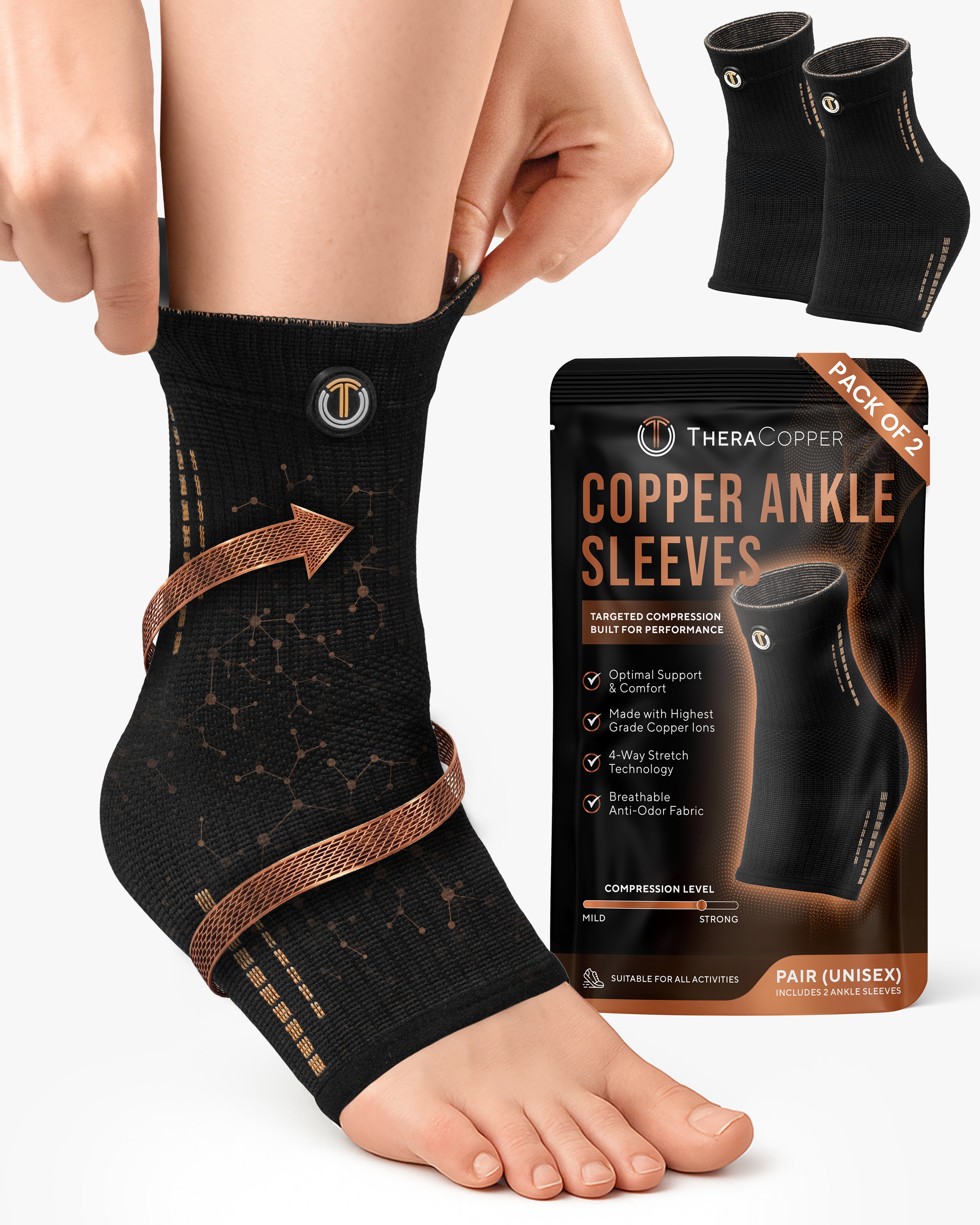
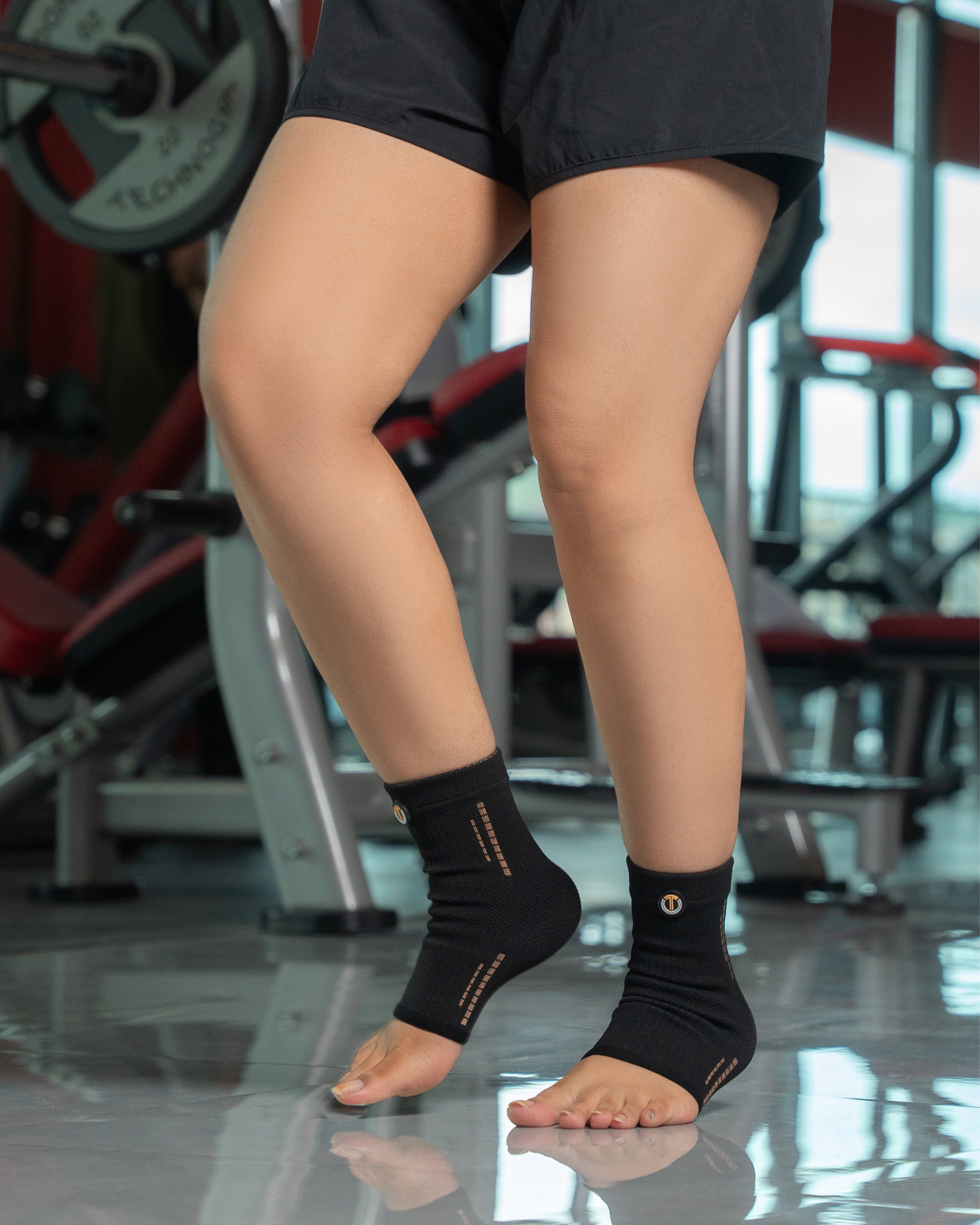
While sleeves focus on calves, copper fit compression socks extend support from the foot through the lower leg. This full-coverage design makes them a popular choice for distance runners and those who spend a lot of time on their feet.
Copper fit compression socks are often used during:
-
Long runs
-
Recovery walks
-
Travel days
-
Standing-heavy workdays
Copper fit energy socks are designed to stay secure without bunching or slipping, even during extended wear. Many runners rotate between sleeves and socks depending on workout type and preference.
Using compression socks during long runs can simplify gear choices by combining sock and sleeve support into one piece.

Copper Compression for Runners During Speed Work
Speed sessions introduce a different kind of stress. Intervals, tempo runs, and hill repeats place higher demands on muscle engagement and control. Compression can be useful here by providing a stable, consistent feel during faster movement.
Copper compression sleeves or socks are commonly worn during speed workouts because they do not interfere with stride mechanics. Compression sleeves for running remain flexible enough to support dynamic movement.
For runners who feel muscle awareness increase during speed work, compression can reduce distraction and help maintain focus on effort and form.
Copper Infused Compression and Daily Training Life
Running does not happen in isolation. Most runners balance training with work, commuting, family responsibilities, and other physical demands. Copper infused compression fits into this reality because it transitions easily from run to daily wear.
Runners often wear copper compression support during:
-
Post-run recovery periods
-
Walking or commuting
-
Light mobility or stretching sessions
Copper compression for runners is not limited to training time. It supports the body throughout the day, especially during periods of extended standing or movement.
Recovery Days and Compression Use
Recovery days are essential for progress, but recovery does not always mean complete rest. Many runners stay lightly active through walking, stretching, or gentle movement. Compression can play a role here as well.
Copper fit energy socks are frequently worn on recovery days because they provide consistent support without restricting movement. Compression helps maintain a supported feel while allowing the body to move naturally.
Some runners also wear compression sleeves for running during recovery walks or errands, keeping support consistent across training and non-training days.
Compression During Travel and Race Preparation
Runners often underestimate how much travel impacts the body. Long car rides, flights, or extended sitting can leave legs feeling stiff before or after key workouts.
Copper fit compression socks are commonly worn during travel to maintain comfort and support. This is especially useful before races or during training camps where time spent sitting increases.
Copper compression support during travel helps runners arrive feeling more prepared and less disrupted by prolonged inactivity.
Race Day Using Compression with Confidence
Race day is not the time to experiment. Many runners choose to wear the same compression gear they trained in to avoid surprises.
Copper compression sleeves or copper fit compression socks worn on race day should feel familiar. The goal is comfort and consistency, not novelty. Compression gear for runners that has already been tested in training allows runners to focus on pacing and execution.
Whether worn under shorts or paired with race socks, compression integrates easily into race-day setups.
How to Choose the Right Compression Gear
Choosing compression gear is a personal decision. Some runners prefer sleeves for flexibility, while others like the simplicity of full socks. The most important factors are fit, comfort, and consistency.
Copper compression sleeves should fit snugly without causing numbness or irritation. Compression socks should feel supportive without excessive tightness at the cuff.
Copper infused compression gear should be tested well before race day to ensure comfort over longer durations.
Integrating Compression into a Training Plan
Compression works best when used intentionally. Runners often start by wearing compression during longer or harder sessions, then expand usage based on preference.
A common approach includes:
-
Compression sleeves for long runs and workouts
-
Copper fit compression socks for recovery days and travel
-
Copper compression support during high-mileage weeks
This flexibility allows runners to adapt compression use to their specific needs.
Mental Benefits of Feeling Supported
Running is as much mental as physical. Feeling supported can reduce anxiety during challenging workouts and long runs. Compression provides a physical cue that the body is prepared for effort.
Copper compression for runners can create a sense of readiness that carries into performance. When gear feels dependable, runners spend less mental energy managing discomfort and more on execution.
Common Mistakes When Using Compression
One common mistake is over reliance. Compression should support training, not replace good habits. It works best alongside proper footwear, smart programming, and adequate recovery.
Another mistake is using compression only during injury. Many runners benefit more from consistent, proactive use rather than reactive wear.
Lastly, choosing the wrong size can reduce effectiveness. Proper fit is essential for compression to feel supportive rather than restrictive.
Copper Compression as a Long-Term Training Tool
Copper compression is not about quick gains. It is about supporting long-term consistency. Over weeks and months, small support decisions add up to better training continuity.
Copper infused compression gear is designed to withstand repeated use, making it suitable for runners who train year-round. This durability supports a steady routine without frequent replacement.

Becoming a Better Runner Through Smarter Support
Becoming a better runner is rarely about one big change. It is about stacking small, thoughtful decisions that support your body through training demands. Compression fits into this mindset as a tool, not a solution.
Copper compression sleeves, compression sleeves for running, copper fit compression socks, and copper fit energy socks all offer different ways to support your routine. Used intentionally, compression gear for runners helps maintain consistency, focus, and confidence.
Copper compression for runners works best when it feels natural—when it becomes part of how you train, recover, and move every day.
Running improvement comes from showing up consistently. Compression does not make the miles easier, but it can help make them more manageable. And over time, that consistency is what makes you a better runner.