


Introduction: Why Your Elbow Needs Real Support
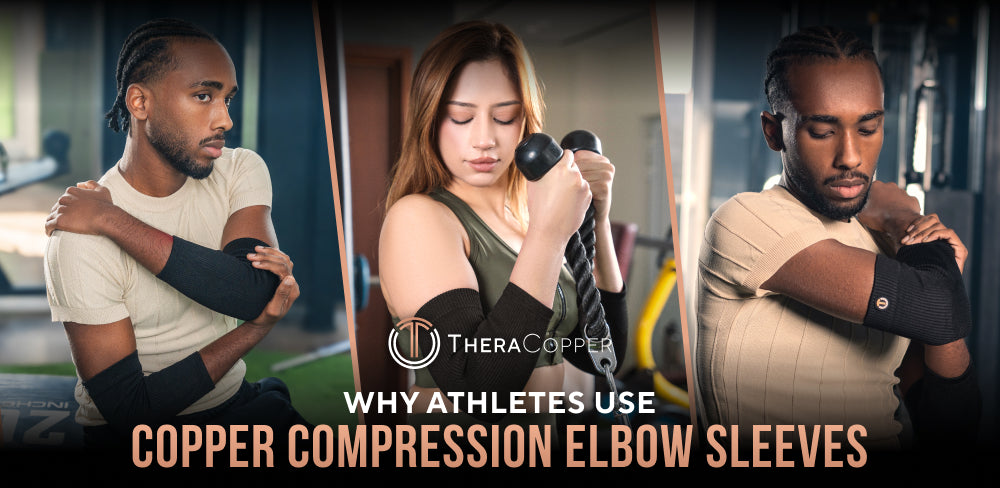
Your elbow does more work than you realize. Every rep on the barbell, every serve on the tennis court, every push, pull, and grip transfers force directly through the elbow joint. For athletes, gym-goers, and weekend warriors, that adds up fast. One wrong movement, one overloaded tendon, one poorly supported training session and you are sidelined.
That is why finding the best elbow sleeves is not a nice-to-have. It is a training essential.
But here is the problem: the market is flooded with generic, cheap compression sleeves that claim to offer support and never deliver. Thin fabric that rolls down mid-set. So-called copper products with zero actual copper. Sleeves that lose compression after two washes. If you have been burned by low-quality options before, you already know this.
This guide cuts through the noise. We cover everything you need to know about elbow sleeves for gym, elbow sleeves for workout, elbow sleeves for tennis, and serious weightlifting — plus what to look for in a copper compression elbow sleeve that is actually made with real copper and third-party verified.
By the end, you will know exactly which sleeve works for your activity, your injury history, and your training goals.
Copper Comfort You Can Trust — 60 Days Risk Free Guarantee
- Save $20.00
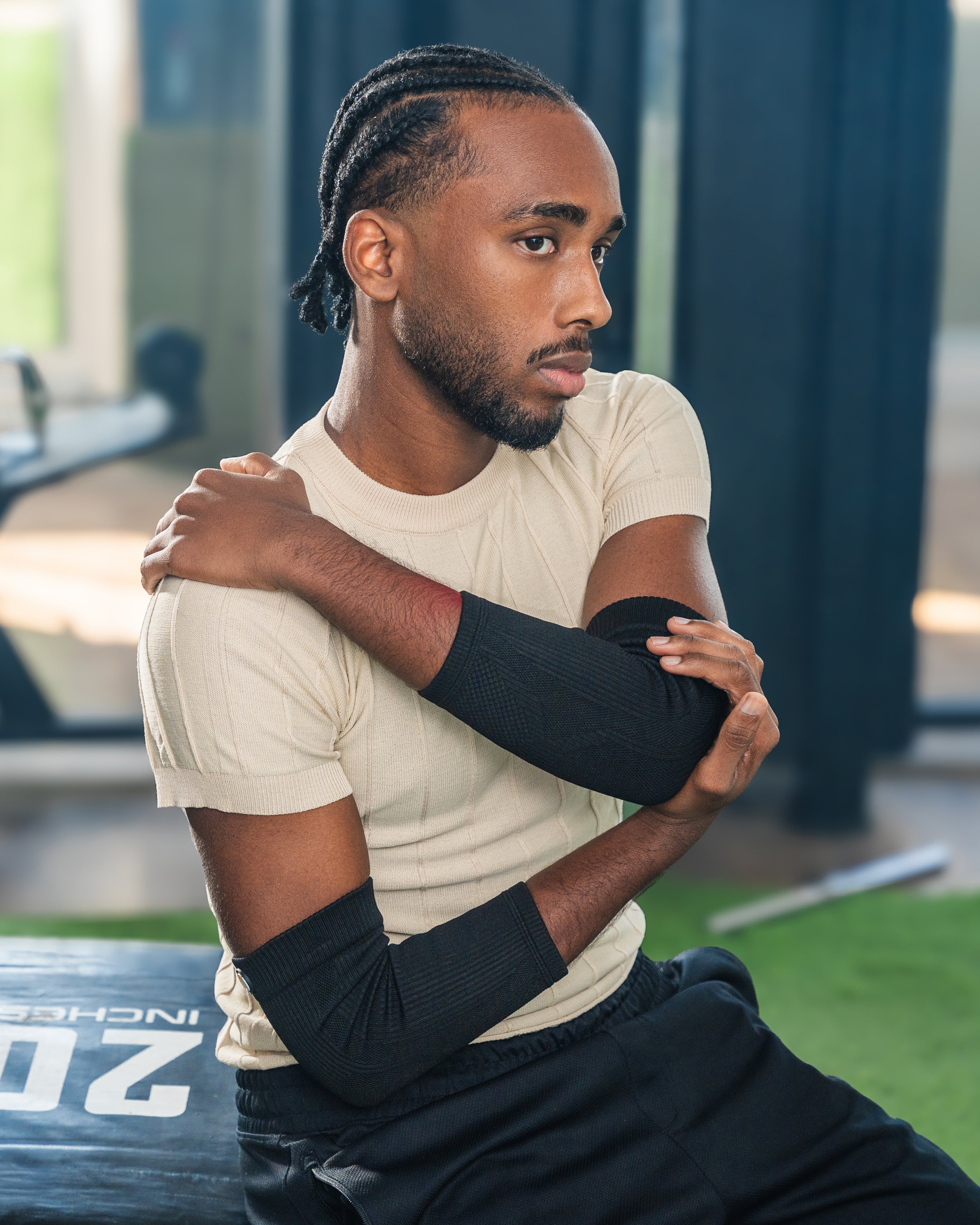
- Save $10.00
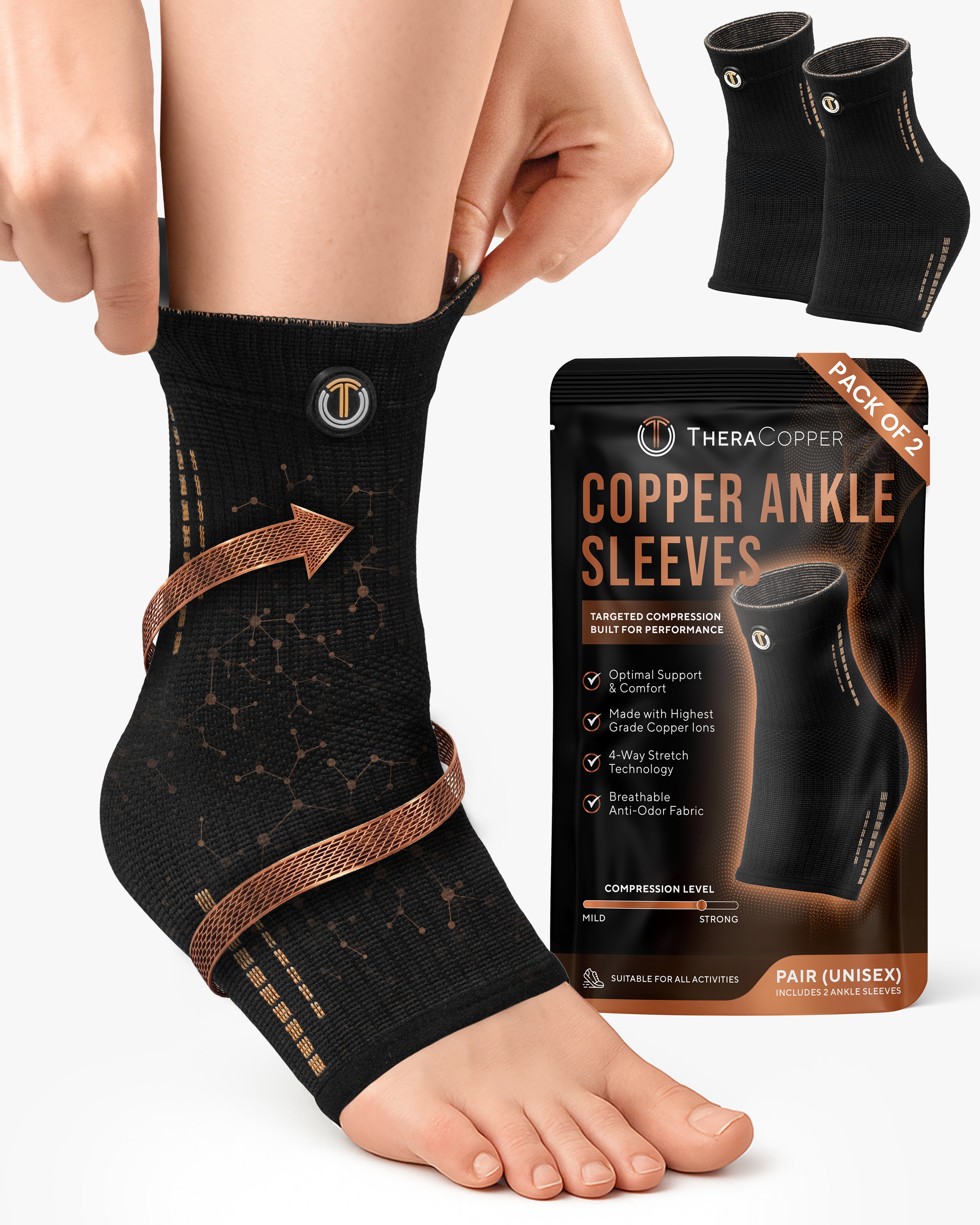
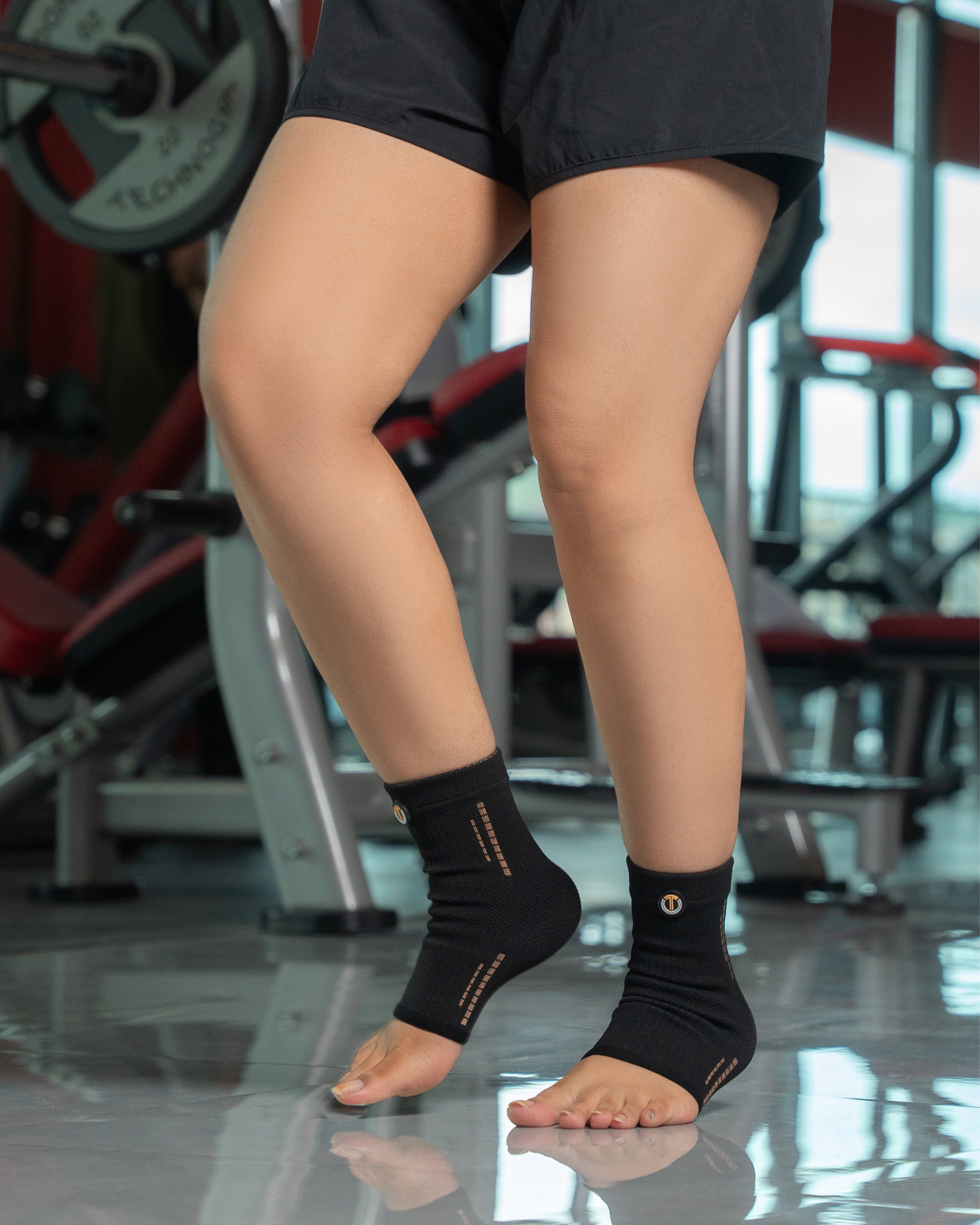
- Save $7.00
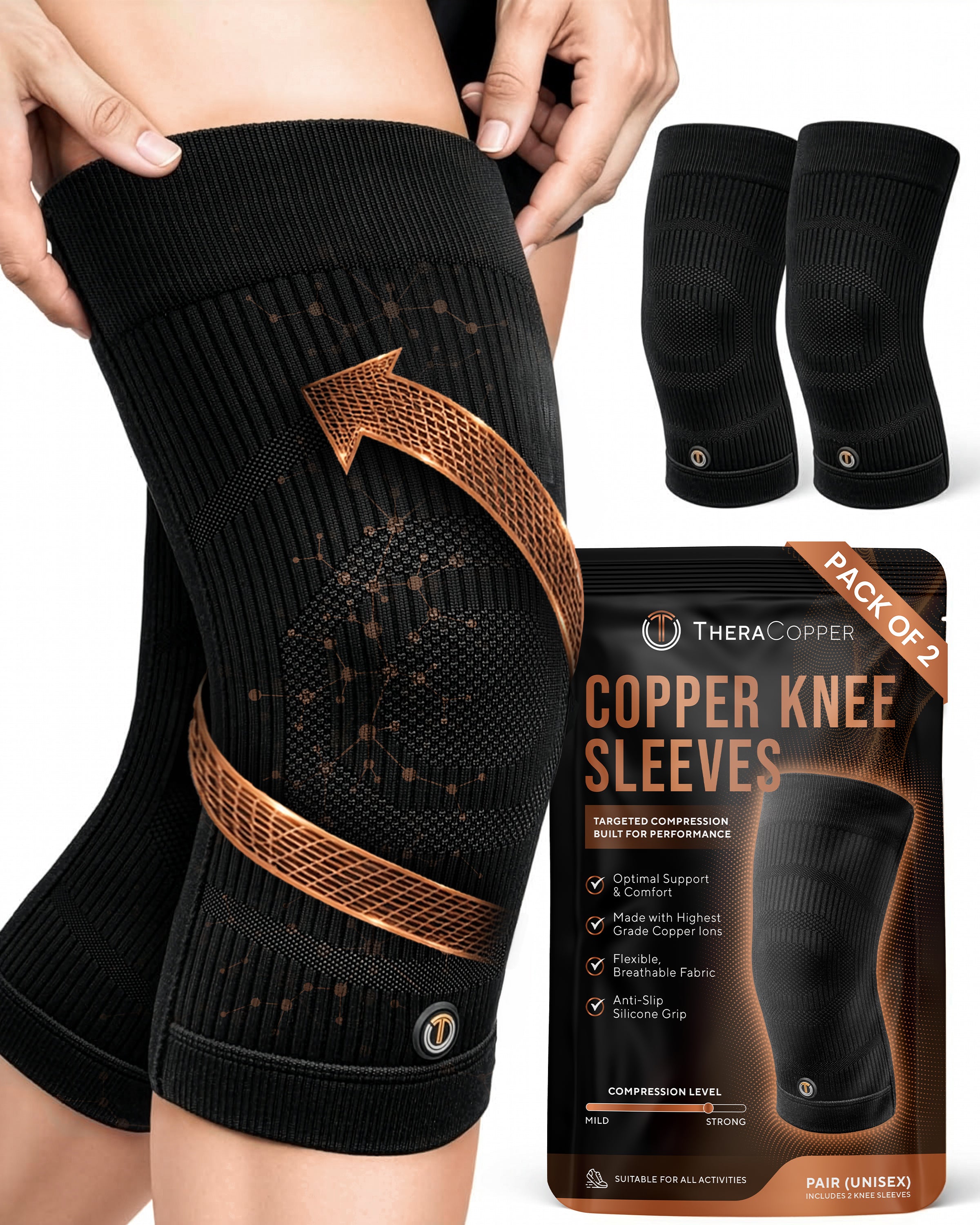

- Save $10.00
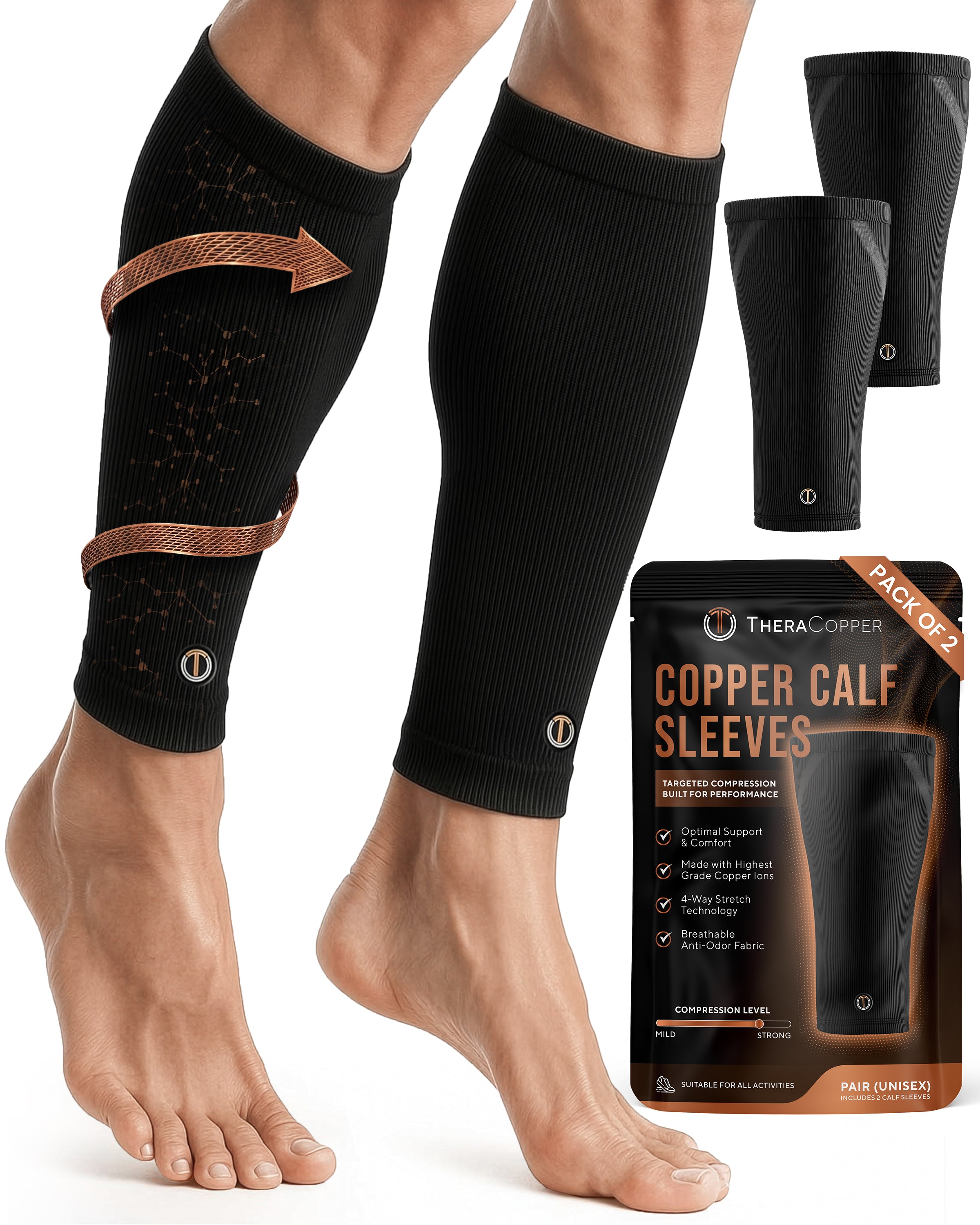
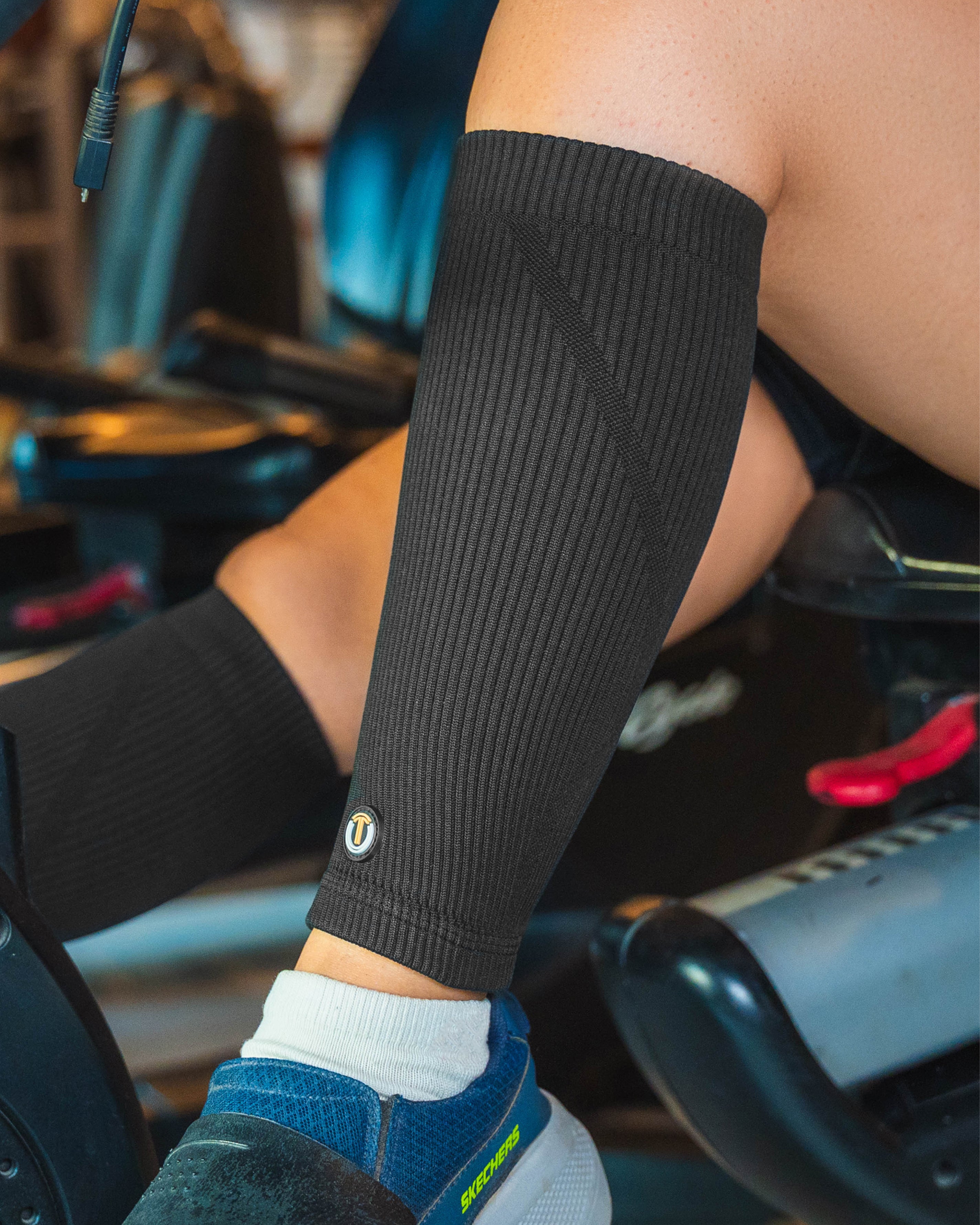

What Is an Elbow Sleeve and How Does It Work?
An elbow support sleeve is a tubular compression garment that wraps around the elbow joint. It applies graduated, uniform pressure to the joint, surrounding muscles, and tendons to deliver three core benefits.
First, compression. It increases proprioception, which is the body's awareness of joint position, reduces swelling, and improves blood circulation.
Second, warmth. It elevates tissue temperature to improve elasticity and reduce injury risk.
Third, support. It stabilizes the joint during heavy loads or repetitive motion.
A quality compression elbow sleeve is not just a piece of fabric. The construction, compression level, and material all determine whether it actually protects your elbow or just feels like it does.

Elbow Sleeve vs. Elbow Brace — What Is the Difference?
This is one of the most common questions about elbow support for workouts. Here is the clear breakdown.
An elbow sleeve is soft and tubular. It allows full range of motion and is best used for gym, lifting, tennis, and sports. It is highly wearable during exercise.
An elbow brace has a rigid or semi-rigid frame. It restricts range of motion by design and is best suited for acute injury and post-surgery medical recovery.
For gym training, lifting, and tennis, an elbow compression sleeve wins every time. Braces are for clinical recovery. Sleeves are for performance and prevention.
Who Needs an Elbow Sleeve?
Gym Athletes and Lifters
If you train with weights, your elbows absorb significant stress. Bench press and overhead press place direct loading on the elbow joint. Pull-ups and rows create repeated flexion and extension under load. Tricep extensions and skull crushers generate extension under resistance with high elbow loading. Curls cause repeated concentric and eccentric strain on the biceps tendon insertion.
Elbow sleeves for gym and elbow sleeves for workout help by warming the joint before heavy sets, reducing tendon irritation from repetitive motion, and providing feedback on joint alignment. Many lifters wear them proactively, not because they are injured, but because they train smart.
The best elbow sleeves for lifting are typically rated 7mm neoprene or a multi-layer copper compression construction that delivers firm, consistent pressure without restricting lockout.
Weightlifters and Powerlifters
Olympic weightlifting and powerlifting demand the highest elbow support. Snatches, clean-and-jerks, and heavy squats place the elbow in extreme positions under high loads. An elbow sleeve for weightlifting needs maximum compression stability without sacrificing speed of movement.
Copper compression sleeves are increasingly preferred by competitive lifters because they maintain structural integrity across multiple training sessions. They do not compress out after a few washes the way cheap neoprene does.
Tennis Players
Tennis elbow, known clinically as lateral epicondylitis, is one of the most common repetitive strain injuries in recreational and competitive athletes. The repetitive pronation and supination of the forearm during groundstrokes, serves, and volleys places chronic stress on the lateral epicondyle.
An elbow sleeve for tennis or elbow brace for tennis works by reducing stress concentration at the epicondyle attachment point, warming the forearm extensors before play, and providing tactile feedback on arm position and stroke mechanics.
A dedicated tennis elbow sleeve with a reinforced epicondyle pad or focused lateral compression zone provides more targeted relief than a generic gym sleeve.
Fitness Enthusiasts and CrossFit Athletes
High-volume functional fitness including muscle-ups, kipping pull-ups, ring dips, and kettlebell swings generates cumulative elbow stress. Workout elbow support in CrossFit is becoming standard practice, especially for athletes with previous elbow injuries or anyone programming five or more workouts per week.
Everyday Active People and Desk Workers
Elbow discomfort is not exclusive to athletes. Repetitive computer use, heavy lifting at work, and even sleep position can aggravate elbow tendons. A comfortable elbow support sleeve worn during activity or work can significantly reduce irritation.
The Copper Difference: Why Copper Elbow Sleeves Are Worth It
Not all elbow sleeves are built equal. The biggest differentiator in the premium compression sleeve market is material. Copper-infused or copper-lined sleeves have grown significantly in popularity, but most of the copper products on Amazon contain trace or near-zero copper content.
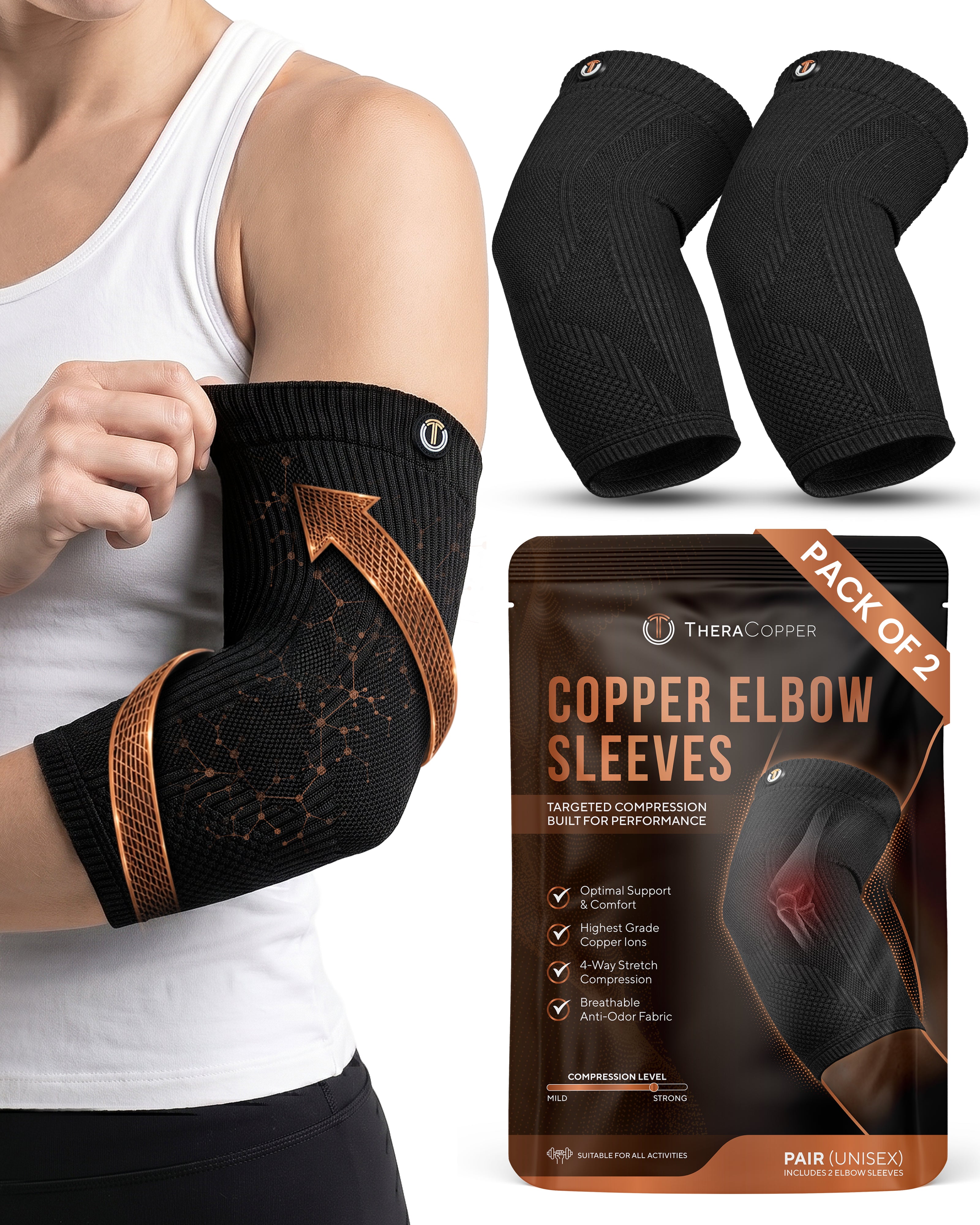
TheraCopper is built differently. Every copper compression elbow sleeve in the TheraCopper line is made with real copper, not copper marketing or copper branding, but actual copper content that is verifiable. Every sleeve is third-party tested with lab reports that confirm copper purity, lead levels, cadmium, and overall safety. Every sleeve is built for sustained compression with multi-layer construction that holds firm across dozens of washes and training sessions.
What Does Copper Actually Do in a Compression Sleeve?
There is a reason copper has been used in wellness applications for thousands of years, from Ayurvedic medicine to modern compression textiles. In the context of a copper elbow sleeve, the relevance comes down to the material properties copper brings to the fabric construction.
Copper is naturally antimicrobial, which means copper-infused sleeves resist odor and bacterial growth significantly better than standard nylon or neoprene. Copper-infused fibers maintain their structural integrity longer than synthetic alternatives. Copper fibers also support consistent warmth distribution across the joint.
Important note on claims: TheraCopper does not make medical or therapeutic cure claims. Our copper elbow sleeves are designed as performance compression garments. The benefits described here relate to the physical material properties of copper as used in textile construction. They are not claims of medical treatment. Consult a physician for any diagnosed condition.
The Problem With Fake Copper Sleeves
The copper compression category has a significant trust problem. Dozens of brands market copper sleeves with packaging showing copper percentages that are either unmeasured, unverified, or outright exaggerated.
When you buy a copper compression elbow sleeve from TheraCopper, you get third-party lab verification, which is not a claim on a package but a real report from an independent laboratory. You get QR codes on packaging linking directly to test results. You get transparent material composition that tells you exactly what is in the sleeve, in plain language.
This is not how most copper compression brands operate. It is how we operate because we believe you deserve to know what you are putting on your body.

How to Choose the Best Elbow Sleeves for Your Activity
Compression Level
Elbow sleeves are typically graded by compression class. Light compression at 15 to 20 mmHg is best for mild swelling, recovery, and daily wear. Moderate compression at 20 to 30 mmHg suits active training, gym use, and tennis. Firm compression at 30 or more mmHg or 7mm or thicker neoprene is for weightlifting, powerlifting, and heavy gym sessions.
For most gym athletes, moderate to firm compression is appropriate. For elbow sleeves for lifting specifically, firm compression that maintains integrity at the bottom of a press or during a pull is non-negotiable.
Material Construction
Copper-infused nylon is best for all-day wear, gym, and tennis. The premium cost is justified by longevity and antimicrobial performance. Neoprene is best for heavy lifting and power sports but retains heat and is less breathable. Elastic and spandex blends are good for recovery and daily comfort but provide less structural support. Copper-lined multi-layer construction is best-in-class for gym and recovery combined, but always verify copper authenticity before purchasing.
For a gym elbow support that works across training and daily wear, copper-infused multi-layer construction is the optimal balance.
Fit and Sizing
A compression sleeve that does not fit correctly does not compress correctly. When sizing your elbow support sleeve, measure the circumference of your arm at the widest point of your elbow while flexed. Match your measurement to the brand's specific size chart and do not assume that S, M, or L sizing is universal. The sleeve should feel snug without cutting off circulation or restricting full range of motion.
Sizing errors are the number one reason people report that compression sleeves do not work. A properly fitted sleeve delivers consistent compression throughout your full range of motion.
Sleeve Length
A short sleeve of six to eight inches provides targeted elbow joint compression and is easy to wear under clothing. A full-length sleeve of ten to fourteen inches covers the forearm and bicep attachment points and is better for tennis elbow and overhead athletes. A wrap-style sleeve is adjustable and often used as an elbow brace for tennis or for epicondylitis-specific compression.
For elbow sleeves for gym use, a standard eight-inch sleeve centered on the elbow joint covers the primary support zone. Tennis players often prefer a slightly longer sleeve for forearm coverage.
Durability and Washability
Compression degrades. It is physics. Every wash cycle slightly weakens the elastic fibers in a compression garment. This is why construction quality matters.
Copper-infused sleeves with reinforced stitching at the borders outlast cheap sleeves by three to five times in wash cycles. Flatlock seam construction, where seams are stitched flat rather than folded, reduces friction and edge wear. Avoid sleeves with heavy adhesive silicone anti-slip bands as these tend to peel and compromise the sleeve edge over time.
TheraCopper elbow sleeves are built with copper fiber reinforcement throughout the body of the sleeve, not just a thin copper band or a marketing claim on the tag.
Top Use Cases: Which Elbow Sleeve Is Right for You?
Best Elbow Sleeves for Gym (General Training)
What you need: Moderate-to-firm compression, breathable fabric, non-slip construction, durable enough for four to six sessions per week.
TheraCopper recommendation: Copper Compression Elbow Sleeve at 20 to 30 mmHg with copper-infused knit, flatlock seams, and third-party verification.
What to avoid: Single-layer neoprene that traps moisture and overheats, loose-fitting universal sleeves that migrate mid-set, and any sleeve without size-specific compression data.
Best Elbow Sleeves for Workout (Cross-Training and Functional Fitness)
What you need: Full range of motion and sweat-resistant compression that stays in place during kipping movements and dynamic exercises.
TheraCopper recommendation: Copper Compression Elbow Sleeve with copper-infused multi-layer fabric that grips the skin and muscle contour without restrictive stiffness.
Key feature: Copper fibers provide natural antimicrobial protection, which matters when you are sweating through a high-intensity session every day.
Best Elbow Sleeve for Tennis
What you need: Lateral epicondyle protection, forearm coverage, and compression that does not restrict wrist snap on groundstrokes.
TheraCopper recommendation: Copper Elbow Sleeve with extended length option that provides compression across the lateral epicondyle origin while allowing full pronation and supination.
Tennis-specific note: If you have a confirmed lateral epicondylitis diagnosis, combine a compression sleeve with physical therapy guidance. A sleeve alone does not resolve the underlying tendon pathology. It reduces load and pain during activity while rehabilitation addresses the root cause.
Best Elbow Sleeves for Lifting and Weightlifting
What you need: Maximum compression stability at lockout and during high-load eccentric phases, with a sleeve that does not shift during Olympic lifts or heavy pressing.
TheraCopper recommendation: For powerlifting including bench press and overhead work, go firm-rated copper compression. For Olympic lifting including snatch and clean, use a moderately firm sleeve that does not restrict overhead mobility.
Elbow sleeve for weightlifting note: The priority is keeping the joint warm and tracked during the pull and catch phases of Olympic lifts. A sleeve that migrates off center during a snatch is dangerous. Proper fit is critical. Size down if you are between sizes.
Best Elbow Support for Workouts (General Active Population)
What you need: Comfortable daily wear, light-to-moderate compression for prevention, and easy to put on and take off.
TheraCopper recommendation: Copper Compression Elbow Sleeve in light compression variant, suitable for all-day wear during active work, training, or recovery.
How to Properly Wear and Care for Your Elbow Sleeve
Putting It On Correctly
Turn the sleeve inside out halfway. Insert your hand through the center, not the edge. Roll the sleeve up from the wrist toward the elbow. Center the sleeve over the elbow joint so the midpoint sits directly over the lateral and medial epicondyles. Smooth out any bunching or folds because compressed folds create pressure points.
A common mistake is pulling the sleeve on from one end only, which stretches the fabric unevenly and reduces compression consistency.
When to Wear Your Elbow Sleeve
Put it on five to ten minutes before your training session to pre-warm the joint. Keep it on throughout your entire session, especially during warm-up sets. After training, some athletes wear their sleeve for twenty to thirty minutes to support venous return and reduce post-exercise swelling. During recovery, light compression during daily activity can support recovery between training sessions.
Do not wear overnight unless directed by a physician. Wearing compression during sleep can restrict circulation.
Washing and Care
Hand wash or machine wash on a cold or delicate cycle. Use mild detergent and avoid bleach or fabric softener, which both degrade elastic fibers. Air dry flat and do not put in the dryer because heat breaks down copper-infused fibers and elastic. Do not iron or dry clean.
With proper care, a quality copper compression elbow sleeve maintains effective compression for six to twelve months of regular training use.
Elbow Injury Prevention: What the Evidence Supports
A compression sleeve is one tool in an elbow injury prevention strategy. It is not a standalone solution. Here is what the broader evidence base supports for elbow health in athletes.
Warm Up Thoroughly
Cold tendons are more susceptible to microtearing. A five to ten minute general warm-up including rowing or light cardio, followed by joint-specific arm circles and light resistance work before heavy loads, meaningfully reduces injury risk. Your gym elbow support sleeve helps here by adding warmth from the moment you put it on.
Progressive Overload — Do Not Rush It
The majority of elbow injuries in gym athletes come from too much too soon. Tendinopathy develops when load exceeds the tendon's adaptive capacity. Follow a progressive loading protocol and increase volume or intensity by no more than ten percent per week on elbow-demanding exercises.
Train the Antagonists
Most gym athletes overtrain pushing movements like bench and overhead press relative to pulling. This creates imbalance in the muscles acting on the elbow. Include equal or greater volume of rows, face pulls, band pull-aparts, and reverse curls to balance the joint.
Address Grip Strength
Weak grip strength is a lesser-known contributor to elbow overload. When grip fails under load, the forearm extensors compensate, increasing stress at the lateral epicondyle. Dedicated grip training through farmer carries, towel pull-ups, and plate pinches improves this imbalance.
Use a Sleeve Proactively
Do not wait until you are injured to invest in quality workout elbow support. The athletes who have the fewest elbow problems are those who wear support consistently before problems develop. Once lateral epicondylitis, medial epicondylitis, or cubital tunnel syndrome sets in, recovery takes months.

Frequently Asked Questions About Elbow Sleeves
What is the best elbow sleeve for gym use?
The best elbow sleeve for gym use combines firm compression between 20 and 30 mmHg, copper-infused fabric for durability and antimicrobial properties, flatlock seam construction to prevent skin irritation, and a precise fit. TheraCopper's copper compression elbow sleeve is third-party tested and built for high-frequency gym use.
Do elbow sleeves actually help with tennis elbow?
A tennis elbow sleeve does not treat the underlying tendinopathy. Only rest, physical therapy, and load management can do that. However, a quality elbow brace for tennis or compression sleeve meaningfully reduces pain during activity by decreasing the load on the lateral epicondyle attachment, allowing athletes to continue playing or training at a reduced pain level while they rehabilitate.
How tight should an elbow compression sleeve be?
Your compression elbow sleeve should feel firmly snug but never tight enough to cause numbness, tingling, or discoloration. You should be able to complete your full range of elbow flexion and extension without the sleeve cutting in or restricting movement. If it leaves deep indentation marks after removal, size up.
Can I wear an elbow sleeve all day?
Yes. A copper elbow sleeve with moderate compression between 15 and 25 mmHg is generally comfortable for all-day wear during activity. Avoid wearing any compression sleeve during sleep unless specifically directed by a healthcare provider, as this may restrict circulation.
What makes copper elbow sleeves better than regular sleeves?
A genuine copper compression elbow sleeve made with real copper-infused fibers offers three advantages over standard synthetic sleeves. First, natural antimicrobial properties that resist odor during intense training. Second, better fiber durability that maintains compression over more wash cycles. Third, consistent thermal management. The key is verifying that the copper content is real and not just a marketing label. TheraCopper provides third-party lab verification for all copper products.
How long do elbow sleeves last?
A quality copper compression elbow sleeve with proper care typically maintains effective compression for six to twelve months of regular use at three to five sessions per week. Signs it is time to replace include the sleeve rolling down during exercise, fabric feeling loose in the joint area, or visible stretching at the edges.
Are elbow sleeves for lifting different from tennis elbow sleeves?
Yes. The best elbow sleeves for lifting prioritize maximum compression and structural stability for high-load bilateral pressing and pulling. A tennis elbow sleeve prioritizes lateral epicondyle coverage, forearm compression, and range-of-motion freedom for rotational movements. TheraCopper offers sleeve options suited to both use cases.
Can elbow sleeves prevent injury?
No compression sleeve can guarantee injury prevention. However, consistent use of a quality elbow support sleeve before and during training provides warmth, proprioceptive feedback, and compression that reduce the conditions that lead to elbow injury. Combined with proper warm-up, progressive training, and balanced programming, elbow sleeves are a meaningful tool in injury risk reduction.
Is a copper elbow sleeve safe to wear?
Yes. TheraCopper copper elbow sleeves are third-party tested for copper purity, lead content, cadmium, and overall safety. Unlike many copper products in the market, our lab reports are available and verifiable. The copper-infused fabric is safe for direct skin contact for athletes without known copper sensitivities.
What size elbow sleeve should I buy?
Measure the circumference of your arm at the midpoint of your elbow with your arm flexed at 90 degrees. Use the brand's specific size chart and do not assume S, M, or L sizing is standard. For TheraCopper elbow sleeves, our size guide is calibrated to deliver consistent compression across the target mmHg range for each size.
Why TheraCopper
You have options. There are dozens of compression elbow sleeves available at multiple price points. Here is the honest comparison.
A generic Amazon sleeve comes with a copper claim and no verification, single-layer thin fabric, compression that fades after ten washes, no lab testing, no proof of material, and ships from unverified factories.
A TheraCopper copper elbow sleeve comes with real copper content that is third-party verified, multi-layer construction for sustained compression, lab reports available via QR code on packaging, durability built for serious training volume, and sizing calibrated for consistent compression across the entire mmHg range.
The compression sleeve market is exactly like every other wellness product category on Amazon. Most products are fine, a few are genuinely good, and almost none of them prove anything. TheraCopper proves everything.
If you have been buying and discarding cheap sleeves that roll down, lose compression, or feel like cheap fabric by week two, this is why. Material quality and construction integrity are not visible on a product photo. They show up in performance.
Conclusion: Elbow Support That Actually Works
Your elbows carry your training. Every press, pull, swing, and serve runs through this joint. Treating it well, starting with proper warm-up, progressive loading, and consistent support, is the difference between a training career that spans decades and one that gets cut short by chronic tendinopathy.
The best elbow sleeves combine real compression, real materials, and real construction. Not marketing language. Not a copper-colored graphic on a label. Real copper, verified by an independent lab, built into a sleeve that holds its compression across a full season of training.
TheraCopper exists because the alternative is not good enough.
Whether you need elbow sleeves for gym, workout elbow support for cross-training, a tennis elbow sleeve for your Sunday matches, or a serious elbow sleeve for weightlifting that survives your competition prep — the right sleeve is the one built with the materials and testing to back up every claim on the packaging.
Shop TheraCopper Copper Elbow Sleeves.
Disclaimer: TheraCopper products are designed as performance compression garments and are not intended to diagnose, treat, cure, or prevent any medical condition. Consult a qualified healthcare provider for any injury or medical concern.